
When it comes to musical legends, few names shine as brightly as Elvis Presley. Known as the "King of Rock 'n' Roll," Elvis has left an indelible mark on the music industry.
However, amidst the universal adoration, there have always been contentious voices.
Recently, a provocative statement by Jim Hamill sparked a whirlwind of debates. Hamill claimed that Elvis couldn't sing, a sentiment that sent shockwaves through the music community.
Could there be any merit to such an assertion, or was it merely an uninformed opinion? Let's delve deeper.
Unveiling the Icon: Elvis Presley
Born in Tupelo, Mississippi, in 1935, Elvis's journey from a humble beginning to stardom is the stuff of legend.
Elvis Presley started singing in church and later during his teenage years, influenced heavily by gospel, R&B, and country music.
His unique ability to blend these genres established a new sound that captivated millions.
Elvis's breakthrough came in 1954 when he recorded "That's All Right" at Sun Records.

With his sultry voice and charismatic persona, he quickly became a phenomenon.
From “Heartbreak Hotel” to “Hound Dog,” his string of hits seemed unending. His vocal range was impressive, effortlessly switching from rock to ballads like "Love Me Tender."
The Voice Controversy: Hamill's Bold Claim
The real upheaval occurred when Jim Hamill, known widely for his role in "Star Wars," suggested that Elvis couldn't sing. Hamill's critique was unconventional and left many pondering his intentions.
Was this simply an attempt to remain relevant in an age where hot takes garner attention, or did Hamill genuinely believe in his controversial stance?
Hamill’s assertion seems to clash with the wealth of evidence in favor of Elvis’s vocal prowess.
Critics and fans alike recall how Elvis’s performances were not just spectacles of showmanship but also masterclasses in vocal delivery.
The fact that Elvis could engage audiences with both high-energy rock songs and emotional ballads speaks volumes to his versatility.
The Art of Singing: Understanding Elvis's Technique
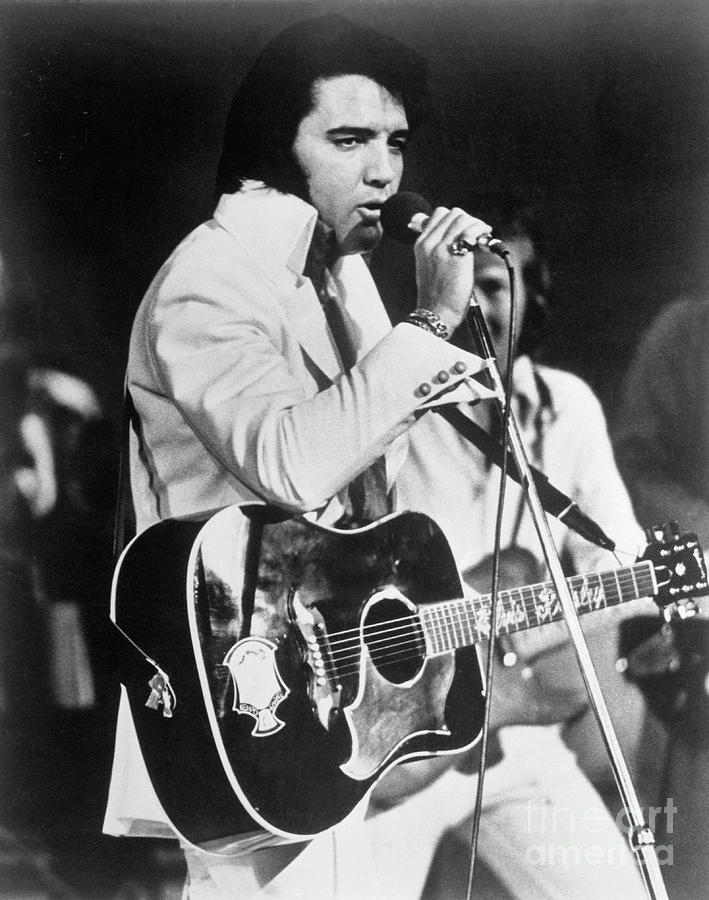
Skeptics and supporters alike need to look at what makes a great singer. It’s not just about hitting high notes or maintaining perfect pitch; it's also about emotional expression, tone, and the ability to connect with an audience.
Elvis Presley started singing early, allowing him to hone his skills over years. He had a natural talent, often shocking his contemporaries with his vocal control and emotional depth.
Songs such as "Can't Help Falling in Love" showcase his ability to infuse emotion into every note. His rich baritone could switch to a captivating falsetto, revealing versatility rarely seen in popular music.
Moreover, his adherence to proper vocal techniques ensured the longevity of his career despite the demanding nature of his performances.
The way he used his diaphragm for powerful projection and his careful modulation of tones reveals a nuanced understanding of his instrument—his voice.
Cultural Impact: More Than Just Singing
Elvis Presley’s influence extends beyond his vocal abilities. In the 1960s, his music became the soundtrack of a changing America, reflecting a society in the throes of cultural and musical evolution.
His performance on “The Ed Sullivan Show,” where the camera famously focused only on his upper body to avoid showing his gyrating hips, exemplifies his impact.
It wasn't just about whether he could sing; it was about what he represented—a break from tradition and a fearless embrace of modernity.
Jim Hamill’s assertion appears shortsighted when considering this broader context. Elvis wasn’t merely a vocalist but an innovator who pushed the boundaries of what popular music could be.
Critic’s Perspective: Bias and Subjectivity in Music
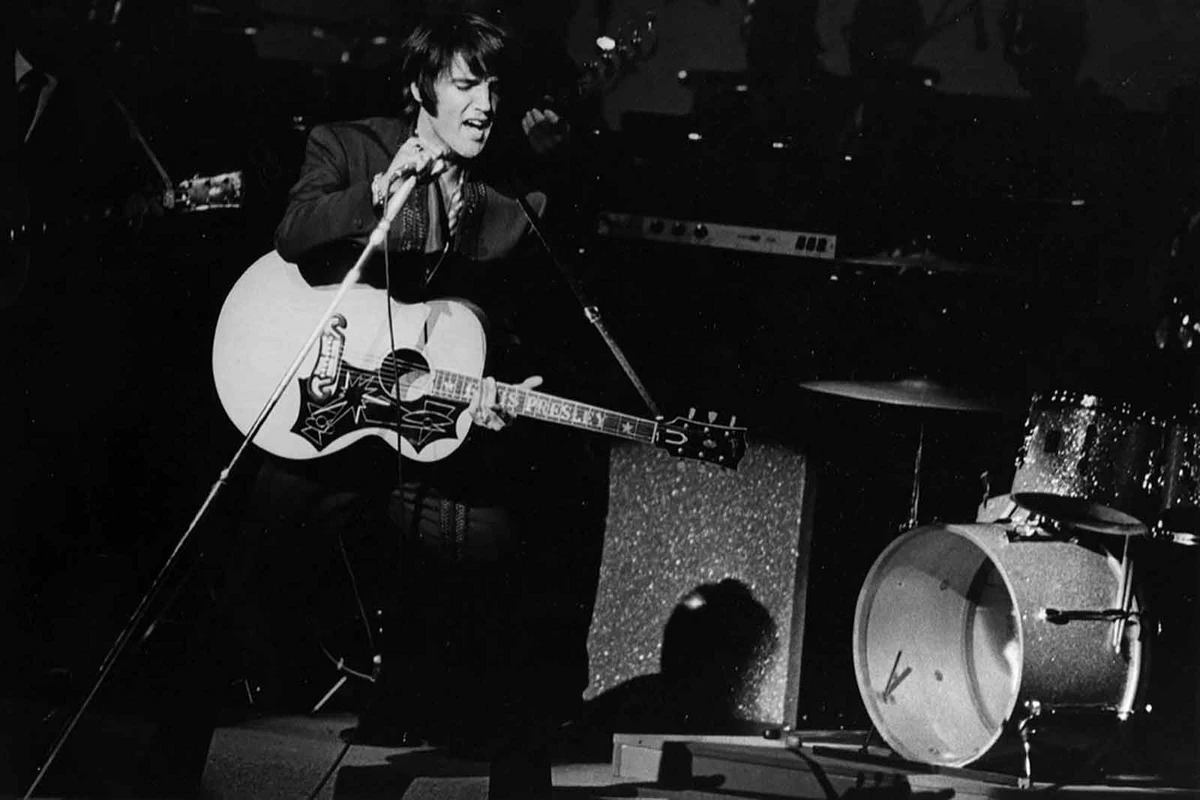
It’s also important to acknowledge bias in musical taste. Art, including singing, is inherently subjective. What one critic sees as raw emotion and powerful vocal technique, another might dismiss as lack of technical clarity.
Elvis’s style wasn’t just about vocal purity; it incorporated raw emotional energy, sexuality, and charisma.
Music critics often have different measuring sticks, and while some may value pure technical skill over emotive delivery, others might prioritize emotional connection and cultural impact.
No singer is universally adored; even the most revered artists have their critics.
While Hamill's statements are controversial, they highlight an intriguing aspect of music criticism: the conflict between artistic expression and technical skill.
There’s no denying some singers might technically surpass Elvis in areas like pitch accuracy or vocal range.
However, the blend of his technical skill, innovative spirit, and emotive delivery undoubtedly carved his name in history.
The Legacy and Influence of Elvis Presley
Elvis Presley’s legacy endures, cementing his place in the pantheon of musical greats. Over a billion records sold globally speaks to his widespread appeal.
His influence transcends generations, with artists across genres—rock, pop, country—often citing him as a significant inspiration.
Elvis's ability to adapt and innovate played a vital role in his enduring appeal.
From his early days of rockabilly roots to later forays into soulful gospel and polished pop ballads, he showcased a broad artistic range.
Songs like "Suspicious Minds" highlight his knack for reinvention, keeping both his sound and persona fresh for new audiences.
Live Performances: The King in Action
One of the best ways to judge a singer is through live performances, and Elvis Presley’s stage presence was nothing short of electrifying.
His live shows attracted throngs of fans, who were captivated by his energy, charisma, and, of course, his voice.
Countless recordings and films of Elvis's live performances reveal a singer who could command a stage and emotionally engage his audience.
Elvis’s concert “Aloha from Hawaii,” broadcast via satellite in 1973, is just one example of his monumental live performances.
The event was watched by over a billion people worldwide, showcasing not just his singing abilities but his stage presence and cultural impact.
Innovation and Adaptation: Hallmarks of Elvis’s Career
Elvis Presley started singing with a natural talent that he refined into an extraordinary skill.
However, it wasn’t just his voice that made him a legend; it was his willingness to push boundaries and innovate.
His fusion of different musical styles and his determination to evolve with the times ensured that his music remained relevant.
The decision to record "In the Ghetto," a song addressing social issues, or his choice to return to his rock roots with the 1968 "Comeback Special," highlights his versatility and awareness of cultural shifts.
These moves were as much about musical excellence as they were about staying connected to the societal pulse.
Chart Performance: The Numbers Speak
Commercial success is another testament to a singer's abilities and influence, and Elvis Presley’s chart performance is unprecedented.
With 18 number-one hits on the U.S. Billboard charts and numerous top-ten entries, his commercial accomplishments speak volumes.
His albums spanned various genres, from the rock anthems of the 1950s to the gospel revelations of the 1960s and 70s.
Notably, albums like "Elvis Is Back!" or "From Elvis in Memphis" were critical and commercial successes, further cementing his versatility and appeal.
Revisiting Hamill’s Controversial Statement
In light of these reflections, Jim Hamill's claim seems to miss the mark. Elvis Presley's singing transcended mere vocalization; it was a powerful form of expression that resonated with millions.
His ability to blend genres, his innovative spirit, and his emotional delivery position him as one of the greatest singers of all time.
Elvis Presley started singing with a natural talent that he refined into an extraordinary skill, one that captivated audiences and changed the musical landscape forever.
To say Elvis couldn't sing is to ignore the emotional depth, technical skill, and cultural impact of his body of work.
The conversation sparked by Hamill, though controversial, ultimately serves to highlight the enduring legacy and complexity of Elvis Presley's talent.
While opinions in the realm of art will always vary, the historical impact and widespread acclaim of Elvis Presley’s singing remain indisputable.


