
When one thinks of Eric Clapton, images of legendary guitar solos, mournful blues riffs, and an illustrious solo career likely come to mind.
Yet, the genesis of Clapton’s storied career can be traced back to his early days with the Yardbirds.
This British rock band, which played a pivotal role in the 1960s music scene, served as the launching pad for Clapton’s ascension to guitar god status.
Eric Clapton’s time in the Yardbirds is the band's impact on his development, the milestones they achieved together, and the lasting legacy of this iconic pairing.
The Early Days: Formation of the Yardbirds

The Yardbirds were formed in London in 1963, emerging as a quintessential part of the British Invasion—a movement that saw bands from the United Kingdom flooding the American music charts.
The original lineup consisted of Keith Relf on vocals and harmonica, Paul Samwell-Smith on bass, Chris Dreja on rhythm guitar, Jim McCarty on drums, and Anthony “Top” Topham on lead guitar.
However, due to Topham’s young age and parental pressure, he left the band and was soon replaced by an 18-year-old Eric Clapton.
Clapton’s Induction into the Yardbirds
Eric Clapton joined the Yardbirds in October 1963. By this time, Clapton had already made a modest name for himself in the Surrey music scene.
Born on March 30, 1945, in Ripley, Surrey, Clapton was deeply influenced by American blues artists like Robert Johnson and Muddy Waters.
His blues orientation and extraordinary guitar skills quickly stood out, making him an intrinsic part of the Yardbirds' sound.
Clapton’s Impact on the Yardbirds
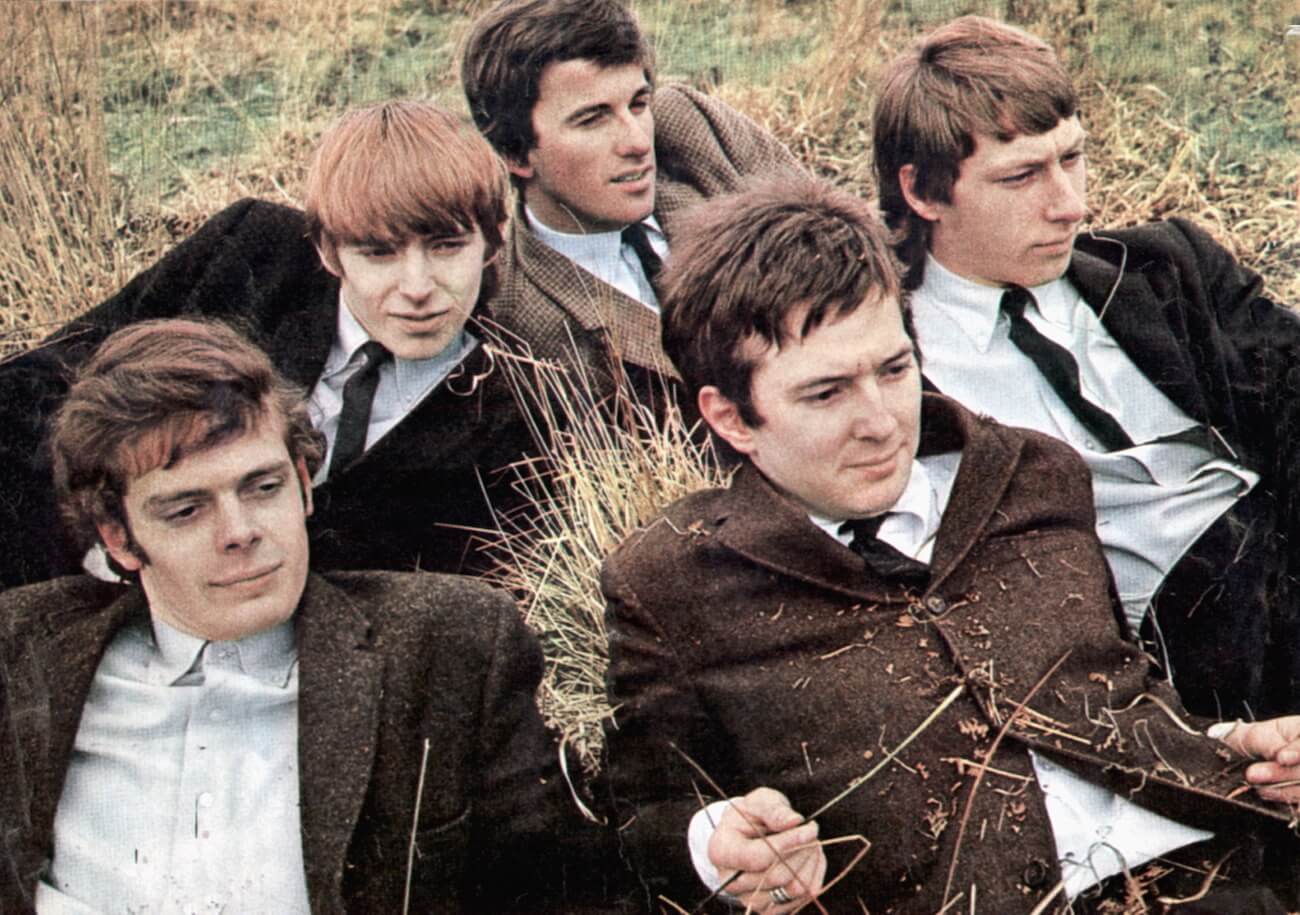
From the beginning, Clapton’s influence on the Yardbirds was palpable. Known as “Slowhand” due to his precise yet emotional playing style, Clapton brought a bluesy authenticity to the band.
The early musical style of the Yardbirds was deeply rooted in blues, with Clapton’s licks and solos often driving their performances.
One of the key aspects of Clapton’s impact was his insistence on maintaining a blues-centric sound.
This dedication to the blues was evident in their live performances and early recordings.
The Yardbirds initially gained traction by acting as the house band at the Crawdaddy Club in Richmond after the Rolling Stones vacated their residency there.
Clapton’s robust guitar playing quickly elevated the group’s reputation, creating a buzz within the London music scene.
Notable Recordings and Live Performances
During Clapton’s tenure, the Yardbirds recorded several tracks that have since become emblematic of the era.
One of the standout moments was their rendition of “Good Morning Little Schoolgirl,” a cover of Sonny Boy Williamson’s blues classic, featuring Clapton’s intricate guitar work.
In 1964, the Yardbirds released "Five Live Yardbirds," a live album recorded at the Marquee Club in London.
This album captured the raw energy and frenetic pace of the band’s live performances, showcasing Clapton’s blistering solos and improvisational skills.
Tracks like “Smokestack Lightning” highlighted Clapton’s exceptional technique and cemented his status as a rising star in the guitar world.
The Turning Point: Commercial Success vs. Artistic Integrity
The year 1965 marked a significant turning point for the Yardbirds.
The band, under pressure from producers and managers to achieve commercial success, began to shift their sound toward more pop-oriented tracks.
This divergence from traditional blues did not sit well with Clapton, whose purist approach to music made him resistant to commercial pressures.
The song "For Your Love," written by Graham Gouldman, became a catalyst for change.
While the track achieved significant commercial success, reaching the Top 10 in both the UK and the US, Clapton was dissatisfied with the departure from the band’s blues roots.
The song’s harpsichord-driven melody and pop sensibility clashed with Clapton’s vision, creating a rift that ultimately led to his departure from the band in March 1965.
Aftermath and Legacy of Clapton’s Departure
Though Eric Clapton’s time with the Yardbirds was relatively brief, his impact on the band and the broader music scene was profound.
His departure highlighted the tension between artistic integrity and commercial success, a theme that has recurred throughout his career.
Following Clapton’s exit, the Yardbirds continued to evolve, eventually bringing in guitarists Jeff Beck and later Jimmy Page—both of whom would also become legendary figures in the music world.
This revolving door of iconic guitarists further cemented the Yardbirds’ reputation as an incubator of extraordinary talent.
For Clapton, the decision to leave the Yardbirds proved to be a pivotal moment in his career.
It reaffirmed his commitment to the blues and set the stage for his involvement with John Mayall & the Bluesbreakers, Cream, Blind Faith, and ultimately his solo career.
Each of these phases saw Clapton explore new musical terrains while staying true to his blues roots.
The Yardbirds’ Influence on Clapton’s Style
Eric Clapton’s tenure with the Yardbirds played a crucial role in shaping his musical style and philosophy.
The period served as a crucible for his development as a guitarist, allowing him to refine his technique and gain valuable experience in live performance and recording.
The exposure and acclaim he received during this time helped establish his reputation as a virtuoso guitarist.
The lessons learned, the collaborations experienced, and the challenges faced with the Yardbirds were all instrumental in his evolution as an artist.
Cultural Impact and Historical Significance
The significance of Eric Clapton's time with the Yardbirds extends beyond their commercial success and critical acclaim.
The band’s willingness to experiment with various styles and their ability to serve as a stepping stone for future rock legends underscores their importance in the history of rock music.
Clapton’s insistence on musical authenticity and integrity while with the Yardbirds set a standard that he would carry throughout his career.
This dedication to his craft has made him a touchstone for generations of musicians and fans alike.
Reflecting on the Legacy
Reflecting on Eric Clapton’s legacy in the Yardbirds provides a deeper understanding of his artistic journey and the foundations of his musical philosophy.
The period was marked by intense creativity, experimentation, and a commitment to authenticity that would influence his future endeavors.
While Clapton’s departure from the Yardbirds may have been fueled by artistic differences, it ultimately led to the creation of some of his most significant work.
By following his principles, Clapton paved the way for a career that has spanned decades and includes numerous awards, accolades, and iconic recordings.
The Genesis of a Guitar Legend
Eric Clapton’s time with the Yardbirds was a formative period that laid the groundwork for his remarkable career.
As a member of the Yardbirds, Clapton honed his craft, established his reputation, and grappled with the tension between artistic integrity and commercial success.
His contributions to the band were pivotal, helping to shape their sound and influence the evolution of rock music.
The journey that began with the Yardbirds continues to resonate today, with Clapton's legacy living on through his music and the countless artists he has inspired.
As we celebrate the career of Eric Clapton, we remember the early days with the Yardbirds as the genesis of a guitar legend—an artist who has left an indelible mark on the world of music.


