
John Lennon, known worldwide as one of the founding members of The Beatles, was not just a musical genius but also a passionate activist.
His contributions to the anti-war movement, particularly regarding the Vietnam War, are significant and enduring.
Lennon used his platform to voice his opposition to the war, leveraging his celebrity status to draw attention to the cause of peace.
This article explores the various ways in which John Lennon fought against the Vietnam War, highlighting his activism, public demonstrations, and the impact he had on the anti-war movement.
The Context of the Vietnam War

The Vietnam War was a protracted conflict that pitted the communist government of North Vietnam against South Vietnam and its principal ally, the United States.
The war, which lasted from 1955 to 1975, was marked by significant loss of life and extensive media coverage.
As the war dragged on, it became increasingly unpopular, sparking widespread protests and a robust anti-war movement.
During this period, many artists and public figures used their platforms to protest the war, and John Lennon was among the most vocal.
By the late 1960s, Lennon had already established himself as a cultural icon, and he began to channel his influence toward promoting peace and opposing the Vietnam War.
The Bed-Ins for Peace
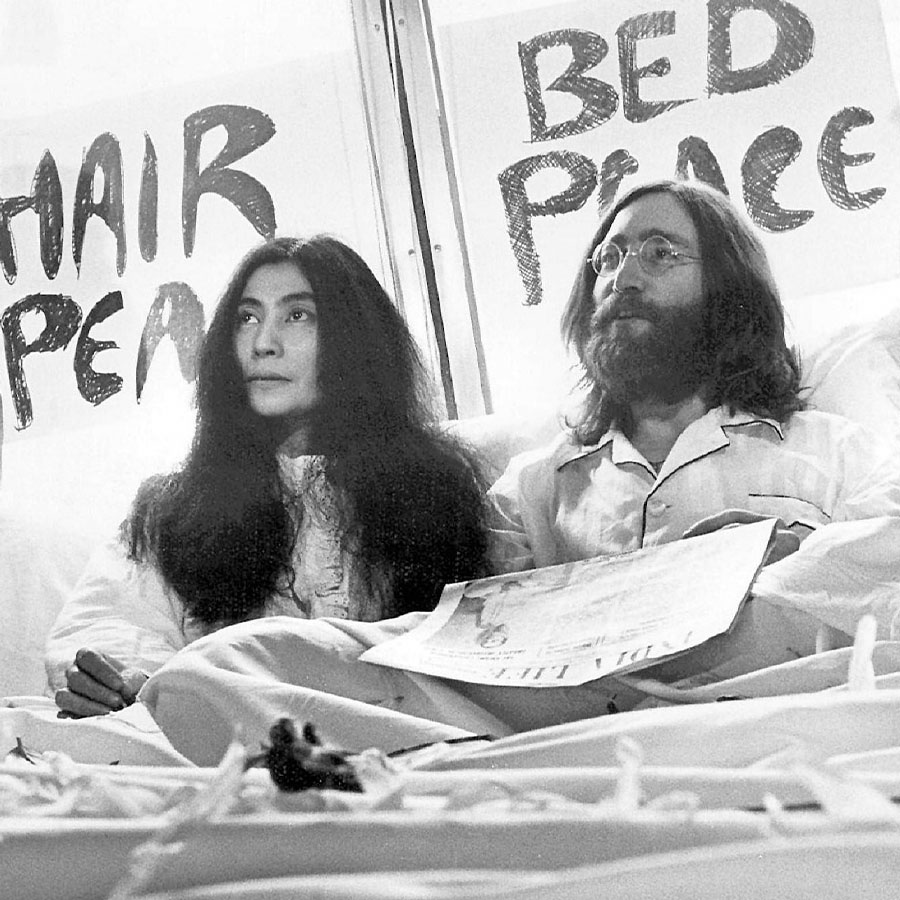
One of Lennon’s most famous acts of protest against the Vietnam War was the series of Bed-Ins for Peace that he conducted with his wife, Yoko Ono.
The first Bed-In took place during their honeymoon in March 1969, at the Amsterdam Hilton Hotel.
For a week, the couple stayed in bed, inviting the press and the public into their room to discuss peace.
The Bed-In was a form of nonviolent protest intended to capture media attention and promote the message of peace.
Lennon and Ono repeated this form of protest later that year at the Queen Elizabeth Hotel in Montreal.
It was during this Bed-In that they recorded the iconic anthem "Give Peace a Chance," which became an anthem for the anti-war movement.
The simplicity of the Bed-Ins, combined with their media savvy, helped to spread their message globally, making headlines and encouraging others to think critically about the war and the broader concept of peace.
The Release of "Imagine"
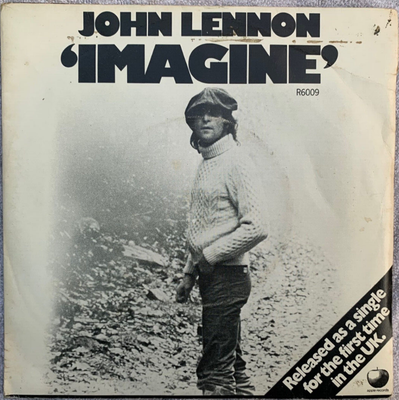
In 1971, John Lennon released "Imagine," a song that would become one of his most enduring contributions to the peace movement.
Although not explicitly about the Vietnam War, the song’s lyrics promote a vision of a world without conflict, borders, or divisions—ideals that resonated deeply with the anti-war movement.
"Imagine" quickly became an anthem for peace and was widely adopted by protesters and activists around the world.
The song's universal appeal and its call for unity and understanding made it a powerful tool in the fight against the Vietnam War.
Lennon's vision of a world living as one inspired many to join the movement for peace, solidifying his role as a key figure in the anti-war effort.
Lennon's Public Demonstrations and Activism
Beyond the Bed-Ins and his music, Lennon participated in numerous public demonstrations and acts of activism.
In 1969, he returned his Member of the Order of the British Empire (MBE) medal to the Queen in protest of Britain’s involvement in the Nigeria-Biafra conflict, as well as its support for America’s role in Vietnam.
This act was a bold statement, reflecting Lennon’s willingness to leverage his status for political purposes.
Lennon also used his media appearances to speak out against the Vietnam War.
He was a frequent guest on talk shows and news programs, where he articulated his opposition to the war and called for an end to violence.
His forthrightness and ability to communicate complex ideas in simple terms helped to mobilize public opinion against the war.
The "War Is Over" Campaign
In December 1969, Lennon and Ono launched the "War Is Over! If You Want It" campaign.
This initiative involved renting billboards in major cities around the world, which displayed the message "War Is Over! If You Want It.
Happy Christmas from John & Yoko." The campaign aimed to empower individuals to believe that collective will could end the war.
The simplicity and directness of the message were powerful, encouraging people to think about their own roles in promoting peace.
The campaign was a creative way to spread the anti-war message during the holiday season, a time traditionally associated with peace and goodwill.
The slogan became synonymous with Lennon’s activism and continues to be a powerful statement against war.
Government Surveillance and Harassment
Lennon’s outspoken activism did not go unnoticed by the U.S. government. His anti-war stance and influence over public opinion led to significant scrutiny from the authorities.
The FBI began to monitor Lennon closely, viewing him as a potential threat due to his ability to mobilize the masses.
Lennon faced numerous challenges as a result of this surveillance. He was subjected to constant monitoring, his phones were tapped, and he received various forms of harassment.
The U.S. government even attempted to deport him, citing a previous marijuana conviction as the basis for their actions.
Despite these efforts to silence him, Lennon continued his activism, undeterred by the intimidation tactics.
The Impact of Lennon's Activism
John Lennon's activism had a profound impact on the anti-war movement and on the broader cultural landscape.
His efforts to promote peace and his vocal opposition to the Vietnam War helped to shape public opinion and inspired countless individuals to join the cause.
Lennon’s use of music, public demonstrations, and creative campaigns brought a sense of hope and possibility to the movement, demonstrating the power of art and celebrity in effecting social change.
Lennon’s legacy as a peace activist endures to this day. His songs, particularly "Give Peace a Chance" and "Imagine," continue to be rallying cries for peace and justice.
The principles he championed—nonviolence, unity, and the power of collective action—remain relevant and inspiring for activists around the world.
John Lennon's contributions to the anti-war movement during the Vietnam War were significant and far-reaching.
Through his music, public demonstrations, and unyielding commitment to peace, Lennon leveraged his influence to challenge the status quo and promote a vision of a better world.
Despite facing government surveillance and harassment, he remained steadfast in his beliefs, leaving a lasting impact on the fight for peace and justice.
Lennon's legacy as a peace activist continues to inspire and resonate, reminding us of the power of art and activism in the pursuit of a more just and peaceful world.


