
The year was 1981, an era rich with pop culture milestones and musical evolution, and one particular location, AIR Studios in Montserrat, stood out as a paradise-like haven for musicians.
Among the many legends who roamed its scenic beauty, none shone brighter than Sir Paul McCartney.
Known for his unparalleled contributions to music, from The Beatles to Wings, Paul McCartney was gearing up for a new solo endeavor that would evoke both nostalgia and innovation. This endeavor was his album "Tug of War."
A Musical Legend Lands in Montserrat
Imagine a serene Caribbean island with lush vegetation, sandy beaches, and the gentle whisper of palm trees swaying in the breeze.
Secluded yet vibrant, Montserrat provided the perfect backdrop for creativity and reflection. AIR Studios, nestled in this slice of paradise, would become a second home to Paul McCartney during the creation of "Tug of War."
A steady parade of equipment, musicians, and even the occasional coconut-bearing islander became the norm around the studio.
Paul McCartney's charm and wit added a layer of liveliness to the already enchanting setting. Crew members, engineers, and local residents found themselves swept up in the infectious energy that Paul brought to AIR Studios.
Reuniting with an Old Friend

A significant milestone during the recording of "Tug of War" was Paul's reunion with George Martin, the renowned producer affectionately known as the "Fifth Beatle."
Their collaboration hinted at the magic that had defined The Beatles' journey. Paul, with an ever-present twinkle in his eye, remarked that working with George again felt akin to "putting on an old pair of slippers – comfortable and familiar."
But even with this comfort, there was no shortage of laughter and banter. George, ever the meticulous producer, would occasionally tease Paul about his "perfectionist streak."
Paul, never one to miss a humorous opportunity, would respond with a playful jab, "You just can't handle my brilliance, George!"
The Birth of Iconic Tracks
The recording sessions in Montserrat birthed some of McCartney's most iconic tracks. The title track "Tug of War," a poignant yet powerful exploration of conflict and reconciliation, set the tone for the album.
The studio echoed with layers of rich harmonies and the intricate melodies that Paul had mastered over the years.
One memorable anecdote involved the recording of "Ebony and Ivory," a track that underlined the importance of racial harmony.
Stevie Wonder, who collaborated on the song, brought his unparalleled talent and infectious enthusiasm to the island.
Paul couldn't resist sharing this adventure with his fans. He jokingly mentioned how Stevie’s arrival brought "more sunshine than Montserrat already had," emphasizing the brilliance Stevie added to the project.
Interactions and Inspirations
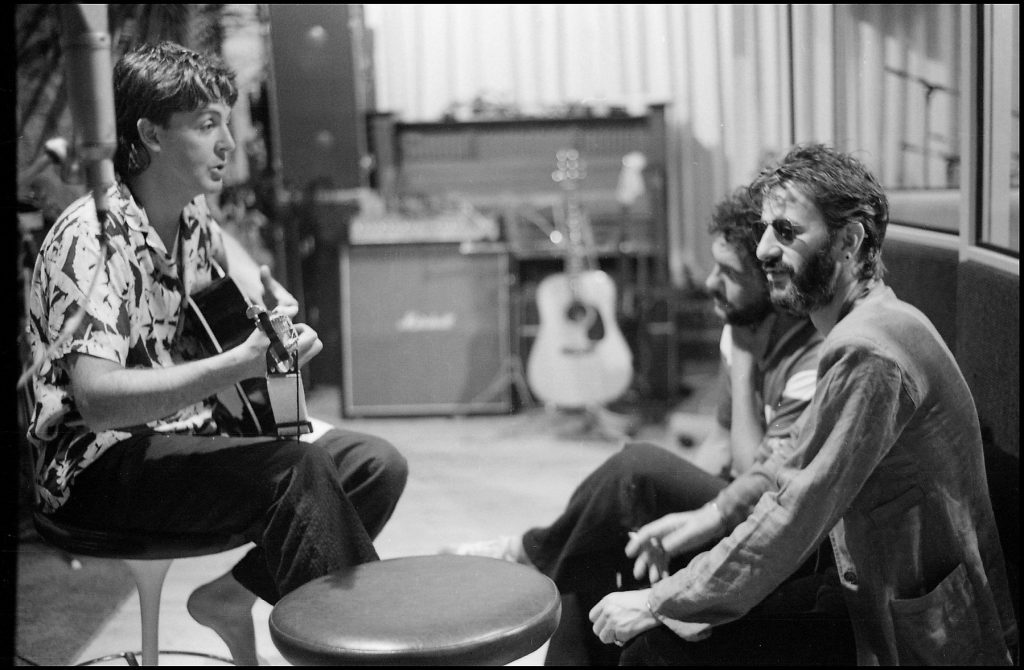
AIR Studios was not just a recording facility but a playground for creativity and exploration. Paul often indulged in afternoon strolls along the beach, sometimes strumming an acoustic guitar, other times simply soaking in the island's beauty.
These moments of solitude and reflection provided inspiration for the album's melodies and lyrics.
Additionally, the sessions were marked by delightful interactions with fellow musicians. Linda McCartney, Paul's wife, and bandmate, played an integral role in the creative process.
Her unwavering support and creative input were instrumental in shaping the album's sound.
Paul often humorously referred to Linda as the "real taskmaster," ensuring everyone stayed on track amidst the island's distractions.
Encounters High and Low – Literally!

Island life wasn't without its quirks. Montserrat’s famous Soufrière Hills volcano occasionally emitted puffs of smoke, creating a dramatic backdrop to the recording sessions.
McCartney, ever the jokester, couldn't resist weaving the volcano into his storytelling. "If we lay down the perfect track, maybe the volcano will applaud with a little eruption," he’d say, eliciting chuckles from the crew.
There were also charming interactions with local fauna. One afternoon, during a particularly intense recording session, a curious iguana wandered into the studio.
Paul's swift reaction was a playful serenade to the impromptu visitor, turning an interruption into a moment of laughter and creativity.
Crafting the Final Product
Despite the island's idyllic allure, the sessions at AIR Studios were far from a vacation. Paul's dedication to his craft was evident in every meticulous decision made.
He worked tirelessly to ensure that each track on "Tug of War" resonated with the intended emotions and messages.
The recording methods combined traditional techniques with cutting-edge technology of the time.
George Martin's orchestral arrangements added a majestic layer to the songs, while Paul’s knack for blending genres ensured the album's dynamic soundscape.
A Touch of Tech and Trends
"Tug of War" also saw McCartney experimenting with contemporary sounds and technologies.
The use of synthesizers and state-of-the-art recording equipment added a modern touch to the album, ensuring it fit seamlessly into the musical landscape of the early 1980s.
Paul’s enthusiasm for innovation was infectious. He’d often joke, “Technology makes the impossible possible – like keeping my hair looking this good!”
Reflection and Fulfillment
Recording "Tug of War" in Montserrat was a period of reflection and fulfillment for Paul McCartney.
The island's tranquil environment allowed him to reconnect with his musical roots while embracing new directions.
The album, released in 1982, received critical acclaim and commercial success, further solidifying Paul’s legacy as a versatile and enduring artist.
The title track, with its moving lyrics and passionate delivery, became an anthem of sorts.
In interviews, Paul reflected on how the serene isolation of Montserrat helped him distill his thoughts and emotions into the music.
Fans often speculate that the island’s picturesque sunsets and calming waves can be felt in the harmonious textures of the album.
Legacy of AIR Studios Montserrat
Today, AIR Studios Montserrat remains etched in the memories of those who created musical history there.
Paul's time on the island left an indelible mark – not just on his career but on all those involved in the project.
The studio, which fell silent after the devastating volcanic eruptions in the late '90s, still holds stories of laughter, creativity, and camaraderie.
McCartney’s recollection of Montserrat is always tinged with bittersweet nostalgia. “The island gave us music, laughter, and—occasionally—cheeky iguanas interrupting our sessions,” Paul would recount with his signature mischievous smile.
The Harmony of Tug of War
Paul McCartney's recording of "Tug of War" at AIR Studios Montserrat in 1981 stands as a testament to the harmony of creativity, collaboration, and sheer joy.
It was a period where music transcended barriers, evoking connection and reflection. The album continues to resonate with listeners, much like the island's timeless beauty.
For fans, reminiscing about this period isn’t just about appreciating great music; it’s about celebrating an artist’s journey through lush landscapes, technical innovation, and heartfelt storytelling.
Paul McCartney's 1981 sojourn to Montserrat remains a vivid chapter in his storied legacy—one that continues to inspire and entertain.


