
When it comes to the most enchanting child performers in cinematic history, Shirley Temple undoubtedly tops the list.
Her charisma, talent, and those iconic dimples made her a box office phenomenon during the Great Depression, bringing smiles to countless faces worldwide.
One delightful Shirley Temple film that encapsulates her charm is "Dimples" from 1936. This movie was not just another addition to her impressive filmography; it was a testament to her versatility and timeless appeal.
Let’s journey back to the 1930s and explore the magic of "Dimples" and the extraordinary talent of Shirley Temple.
1936 and Shirley’s Stardom
By 1936, Shirley Temple had already solidified her status as America's Darling. She was more than a child star; she was a beacon of optimism and joy in a challenging era.
Shirley’s films were strategically designed to lift the spirits of audiences struggling through the Great Depression, and "Dimples" was no exception.
Plot Summary: Tales of the Big Apple

"Dimples" tells the heartwarming tale of a young street performer named Dimples, played beautifully by Shirley Temple.
Set in 1850s New York City, the film follows Dimples’ life as she entertains passersby with her singing and dancing, all under the watchful, albeit misguided, eye of her charming yet unscrupulous grandfather, Professor Eustace Appleby, played by the legendary Frank Morgan.
Eustace, a lovable but financially irresponsible rogue, dreams of making it big as an entertainer but often lands in trouble due to his dubious schemes. He relies heavily on Dimples’ talent to keep them afloat.
The plot thickens when society matron Mrs. Drew, captivated by Dimples’ talent, offers to adopt her — a proposal that Eustace initially sees as a financial opportunity but that challenges his moral compass as the story progresses.
Behind the Dimples: Shirley’s Performance
If there's one thing that can lift any story from good to unforgettable, it's Shirley Temple's performance. In "Dimples," she dazzles with her signature blend of singing, dancing, and that infectious smile.
Whether she's tap dancing on the street or performing a heartstring-tugging rendition of "Get On Board, Little Children," Shirley’s role in this film exemplifies her ability to carry a movie on her small but capable shoulders.
In one particularly delightful scene, Dimples sings and dances atop a grand piano, effortlessly captivating her audience both on and off-screen.
Her natural talent shines through every frame, making it impossible not to fall in love with her character.
Shirley Temple was more than just a child actor; she was a performer with an innate ability to connect with audiences of all ages.
Humor and Heart: The Essence of "Dimples"
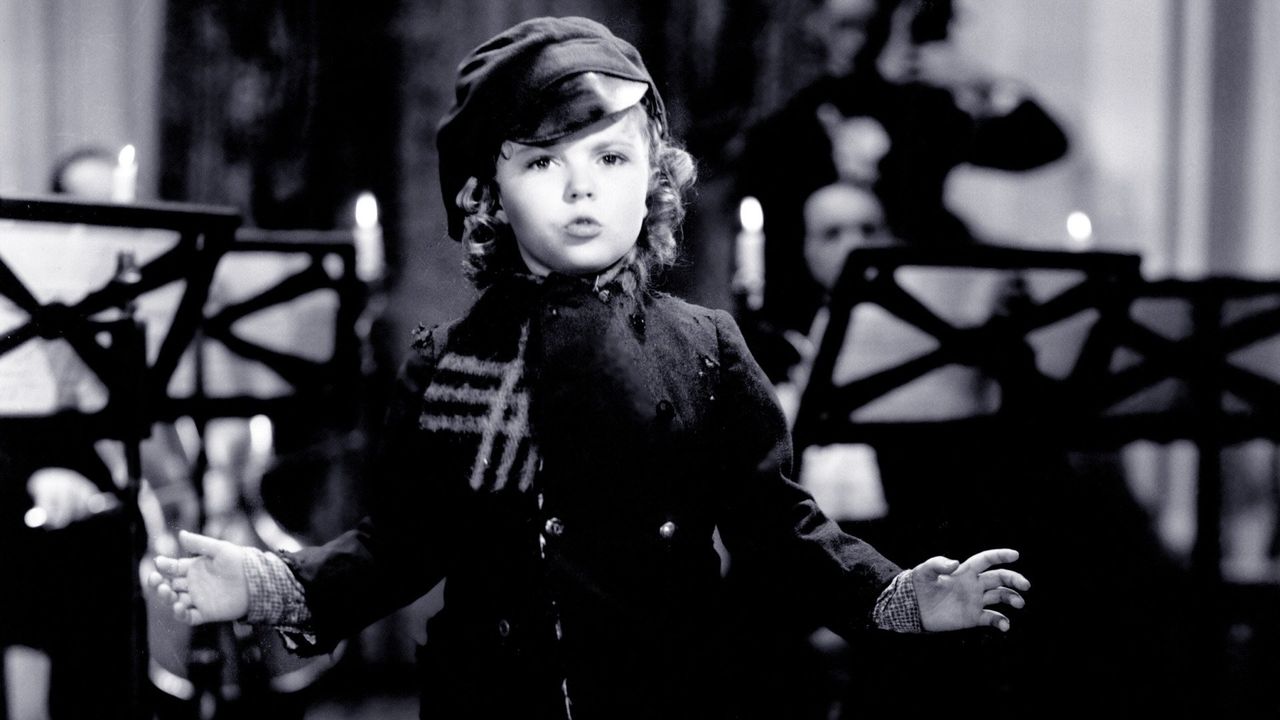
What makes "Dimples" such an engaging Shirley Temple film is its marvelous blend of humor and heartfelt moments.
The film is peppered with comedic scenes, often provided by the antics of Frank Morgan’s character, Professor Eustace Appleby.
Morgan, known for his role as the Wizard in "The Wizard of Oz," brings a perfect mix of whimsy and warmth to the story.
The interactions between Eustace and Dimples are particularly touching, providing both laughs and a few teary-eyed moments.
Despite his flaws, Eustace’s love for Dimples is genuine, and their relationship forms the emotional core of the film.
This dynamic allows Temple to showcase her acting chops, delivering a performance that is both endearing and remarkably nuanced for her age.
Shirley’s Real-life Inspirations
Shirley Temple's life off-screen was as fascinating as her roles on it. Her career was heavily guided by her mother, Gertrude Temple, who ensured that Shirley remained grounded despite her fame.
Gertrude was a constant presence on set, helping Shirley with her lines and routines.
The bond between them was unbreakable and significantly contributed to Shirley's success and demeanor.
One amusing anecdote from the production of "Dimples" involves Shirley’s famous curls, which were meticulously maintained by her mother.
There were exactly 56 curls, styled to perfection for every scene. It’s a small detail, but it showcases the level of care and dedication that went into creating Shirley Temple’s iconic image.
Historical Context: The Road to Stardom

When "Dimples" was released, Hollywood was in a transitional period, moving from the silent film era to talkies, and the Great Depression had left an indelible mark on the entertainment industry.
Shirley Temple’s films provided an essential escape for audiences, offering light-hearted entertainment that was both affordable and uplifting.
"Dimples" was a perfect example of the type of film that resonated with audiences during this tumultuous time.
Its themes of resilience, love, and the triumph of spirit over adversity mirrored the collective longing for hope and stability.
Shirley Temple, with her boundless energy and optimism, was the embodiment of that hope.
Musical Highlights: Songs and Dance Routines
"Dimples" isn’t just a narrative journey; it's a musical extravaganza. The film features several charming songs that highlight Shirley’s vocal talents and dancing prowess.
Numbers like "Get On Board, Little Children," "Picture Me Without You," and "Hey, What Did the Blue Jay Say?" are not just earworms; they’re pivotal plot moments that give Shirley the spotlight she so beautifully commands.
Watching Shirley perform these numbers, you can’t help but marvel at her multifaceted talent.
Each song and dance routine is delivered with such precision and joy that it’s easy to forget she was just a child during the filming. Her performances are timeless, continuing to enchant new generations of viewers.
The Enduring Legacy of "Dimples"

Decades after its release, "Dimples" remains a defining film in Shirley Temple's career. It's a testament to her incredible talent and the timeless appeal of her performances.
The film has been preserved in various formats, ensuring that Shirley's magic is accessible to both nostalgic fans and new audiences.
One of the enduring aspects of "Dimples" is its message. The film highlights themes of resilience and the importance of family, showcasing how love and talent can overcome obstacles.
For many, these themes resonate deeply, making "Dimples" not just a piece of entertainment but a source of inspiration.
Rewatching "Dimples" Today
Rewatching "Dimples" today, it's impossible not to feel nostalgic. The film transports you back to a simpler time when the world was captivated by Shirley Temple's enchanting smiles and heartwarming performances.
Modern audiences can still find considerable joy and comfort in this classic, making it a perfect film for family movie nights or solo viewing sessions.
For those looking to introduce their children to classic cinema, "Dimples" is a fantastic starting point.
It's an engaging, heartwarming film that showcases the unparalleled talent of Shirley Temple while offering a glimpse into the golden age of Hollywood.
Plus, it's always fun to see the reaction of young viewers as they discover Shirley's magic for the first time.

So, why does Shirley Temple still matter? Films like "Dimples" remind us of the unmatched charm and talent that Shirley Temple brought to the screen.
Her ability to convey complex emotions with simplicity and her knack for making audiences laugh and cry in the same scene speaks volumes about her craftsmanship.
"Dimples" (1936) stands as a joyful testament to Shirley Temple’s timeless appeal and exceptional talent. Whether you’re a long-time fan or a newcomer to her work, this delightful film is a must-watch.
It’s more than just a movie; it’s a piece of cinematic history that continues to bring smiles to faces, just as Shirley Temple intended.


