
Shirley Temple, the pint-sized paragon of Hollywood’s Golden Age, danced, sang, and smiled her way into the hearts of millions, and nowhere is this more evident than in her breakthrough role in “Baby, Take a Bow” (1934).
At just six years old, Temple brought a level of charm and talent to the screen that had audiences captivated and studio executives ready to cash in on her undeniable star power.
But how did a toddler-sized talent like Shirley Temple manage to become such a commanding presence in a feature film? Let’s take a friendly, engaging, and occasionally humorous journey into the making and impact of "Baby, Take a Bow."
The Pint-Sized Prodigy: Early Beginnings
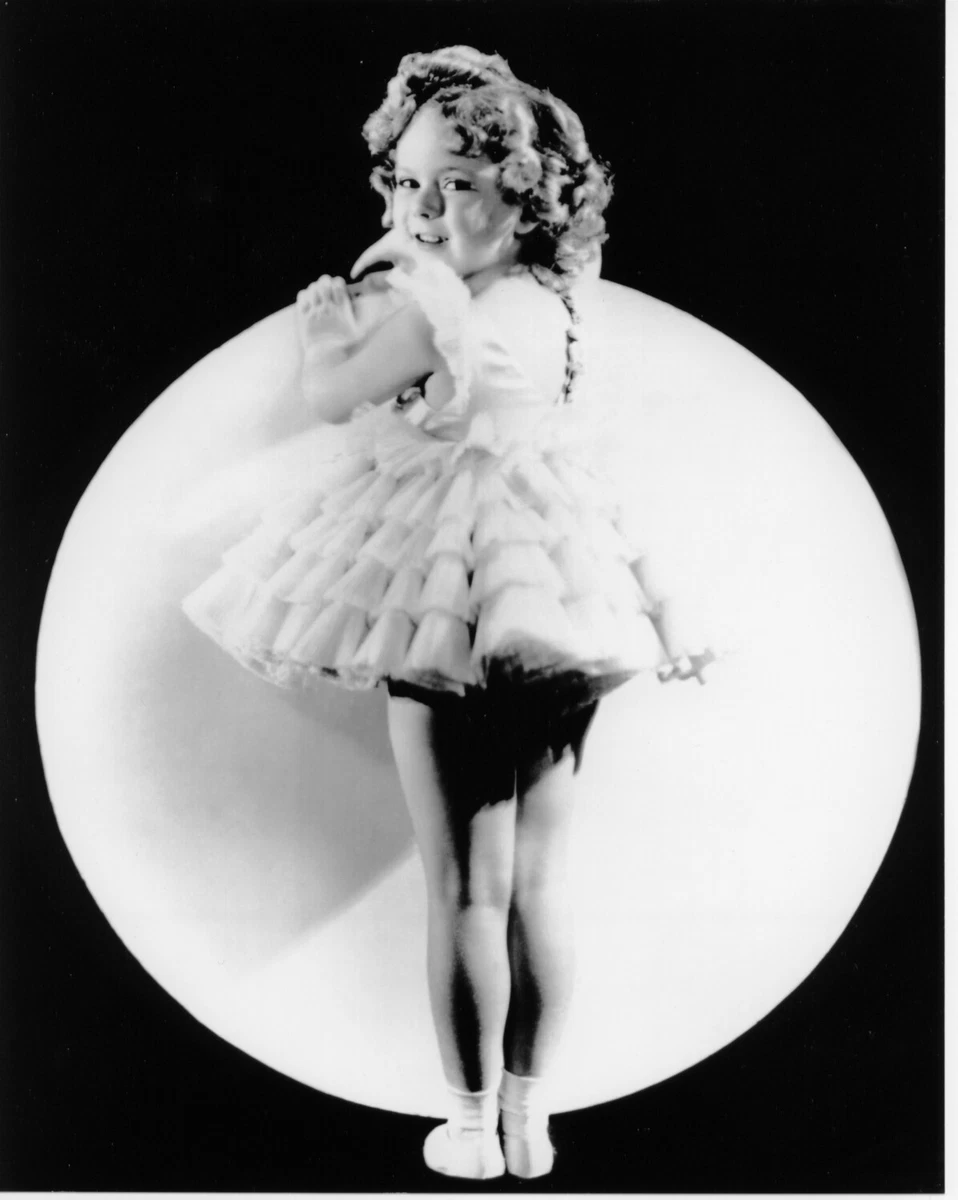
Shirley Temple’s journey into the limelight was as serendipitous as it was swift. Born in 1928, Shirley demonstrated an extraordinary talent for entertainment from a young age.
Before she was even 5, her mother enrolled her in dancing lessons—an act that would soon prove to be a masterstroke.
Under the guidance of the renowned dance instructor, Meglin Kiddies, Shirley was scouted and eventually signed a contract with Fox Film Corporation.
Her disarming curly locks, sensational tap dancing skills, and an ability to emote like a seasoned performer set her apart from other child performers.
By the time "Baby, Take a Bow" rolled around, Shirley Temple was already on the fast track to becoming America’s Sweetheart.
"Baby, Take a Bow": The Plot Unravels
Released in 1934, “Baby, Take a Bow” centers on Eddie Ellison (James Dunn), a reformed criminal trying to make an honest living for his family.
Trouble ensues when a stolen necklace ends up in the hands of his adorable daughter, Shirley Ellison, played by none other than Shirley Temple.
Worlds collide in a series of misunderstandings, heartfelt moments, and comedic blunders, allowing Shirley to shine in a role tailor-made for her burgeoning talent.
What makes “Baby, Take a Bow” so memorable isn’t just the storyline but how effortlessly Shirley carried her role with a blend of innocence and maturity.
She was a six-year-old with the chops to outshine her adult co-stars—a child prodigy in every sense.
The Iconic Dance Scene: A Star is Born
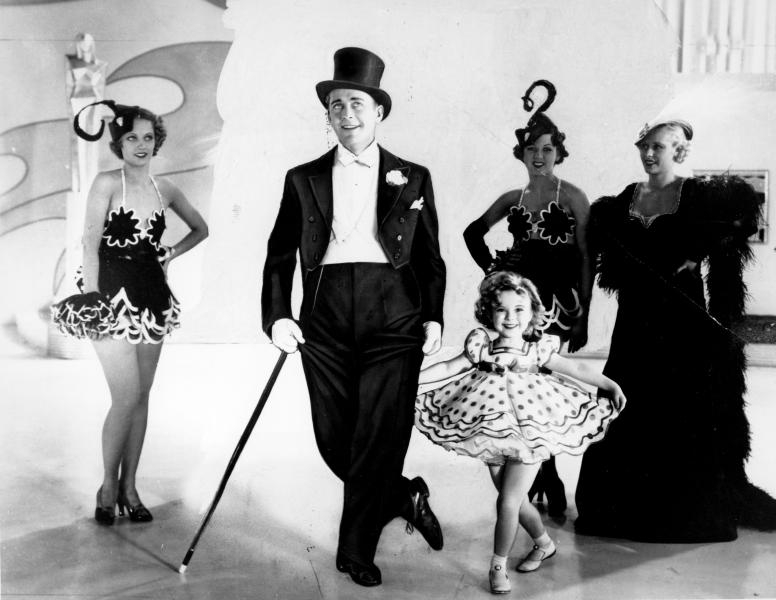
One cannot discuss “Baby, Take a Bow” without delving into its most memorable sequence—the titular dance number.
Imagine a crowded room, anticipation palpable in the air, and out of nowhere comes little Shirley, stealing the show with her impeccable tap dance routine.
With her signature dimples flashing and curls bouncing, Shirley enthralled both the audience within the film and those sitting in the theater.
Even at this tender age, Shirley displayed a professional poise that left everyone, from moviegoers to her co-stars, enthralled.
Her dance scenes were more than just entertainment; they were a showcase of an extraordinary talent that belied her years.
Legend has it that Shirley's ability to memorize complex dance routines and deliver them flawlessly in just a few takes made even seasoned directors marvel at her prowess.
Behind the Scenes: More Than Just a Cute Face
It’s easy to assume that Shirley Temple’s on-screen charm was simply the result of natural talent and cute curls, but there was so much more going on behind the scenes.
According to various accounts, Shirley was incredibly disciplined for her age. Whether it was memorizing her lines or hitting her marks with precision, she tackled each task with a level of seriousness that made her not just a child star, but a respected professional.
Her mother, Gertrude Temple, played an instrumental role in shaping her career. Acting as Shirley's personal coach, dresser, and all-around mentor, Gertrude ensured that Shirley’s transition from one set to another was seamless.
She was the unsung hero behind the curly-haired wonder, ensuring that her daughter’s talent was always showcased to its fullest potential.
The Shirley Temple Effect
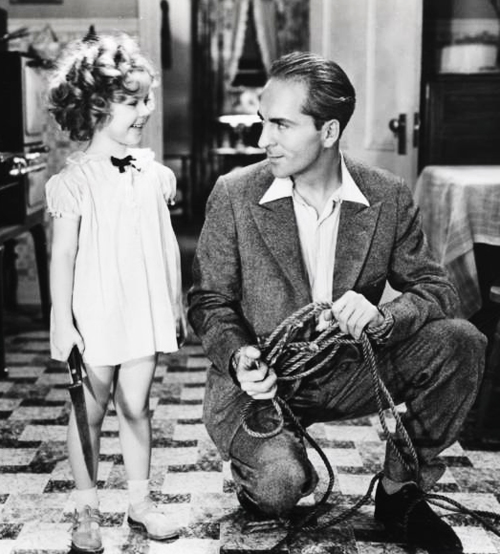
The success of “Baby, Take a Bow” wasn’t just a feather in Shirley Temple’s cap; it was a defining moment in Hollywood’s history.
Her phenomenal performance prompted a seismic shift in how child actors were perceived—and banked upon—by the industry.
Her subsequent films capitalized on the "Shirley Temple Effect," a blend of innocence, charm, and prodigious talent that made her box office gold.
Shirley's presence in "Baby, Take a Bow" initiated a period where audiences couldn't get enough of her.
Manufacturers lined up to put Shirley's face on everything from dolls to books, creating a merchandising powerhouse that was unheard of at the time.
With each new project, Shirley Temple elevated the very notion of child stardom to unprecedented heights.
Cultural Impact and Enduring Legacy
The impact of Shirley Temple cannot be overstated. Her role in “Baby, Take a Bow,” and subsequent films, offered a sense of hope and joy during the Great Depression—a period when the American public needed an escape.
The cheerful melodies, dazzling dances, and endearing innocence that Shirley brought to the screen were a balm for troubled times.
Decades later, Shirley Temple's influence is still felt. Her films continue to charm new generations, proving that true talent and charisma are timeless.
The lasting appeal of her performances underscores the magic she brought to the silver screen—a feat few have managed to replicate.
Fun Facts to Tickle Your Fancy
Did You Know? Shirley Temple's mother always had 56 curls styled meticulously for every scene, based on her "lucky number."
Guinness Recognized: Shirley won an honorary miniature Oscar at the tender age of six in 1935, recognized by Guinness World Records for being the youngest recipient.
A Presidential Touch: Franklin D. Roosevelt famously said, "As long as our country has Shirley Temple, we will be all right," showcasing the immense impact she had on American spirit.
Real-Life Inspirations: The Joy Behind the Curtain

Shirley Temple's endearing on-screen presence wasn’t just acting; it reflected genuine kindness and joy she derived from performing.
Cast and crew who worked with her often spoke of her infectious laughter and unwavering optimism.
This wasn’t just a little girl fulfilling a role—it was a talent radiating her genuine self, offering a glimpse of an authenticity that moved everyone she encountered.
The Irony of Fame
While Shirley’s performance in “Baby, Take a Bow” solidified her as an icon, it came with its own set of challenges.
Being a global superstar at such a young age meant growing up in the limelight, sacrificing elements of a normal childhood.
Despite these challenges, Shirley Temple navigated fame with grace and humility, later transitioning into a successful career in diplomacy.
The Legacy of “Baby, Take a Bow”: Why It Matters
Why does “Baby, Take a Bow” still matter today? It’s simple—it’s a showcase of talent that transcends age and era.
Shirley Temple’s performance remains a benchmark for child actors, a testament to what can be achieved with talent, discipline, and a bit of magic.
The film is more than just a 1934 production; it’s a historical artifact that continues to inspire and entertain.
In a world where film stars quickly come and go, Shirley Temple’s legacy endures, largely due to timeless performances like the one in “Baby, Take a Bow.”
She managed to capture hearts and continue to do so, proving that the magic she created on screen is indeed everlasting.
A Bow Well Taken
In reflecting on Shirley Temple’s extraordinary role in “Baby, Take a Bow,” it becomes clear why she remains a pivotal figure in film history.
At just six years old, Shirley Temple didn’t just take a bow; she made the world stand up and take notice.
Her journey from a curly-haired prodigy to America’s sweetheart encapsulates not just a remarkable career but a timeless legacy.
So, here’s to Shirley Temple—a star who, through films like “Baby, Take a Bow,” taught the world that true talent doesn’t have an age limit.
She was, and always will be, a symbol of enduring charm, talent, and the magic of cinema.


