
John Lennon, one of the most influential musicians of the 20th century, left a lasting mark on the world through his innovative and thought-provoking music.
As a member of The Beatles and later as a solo artist, Lennon continuously evolved in both style and substance.
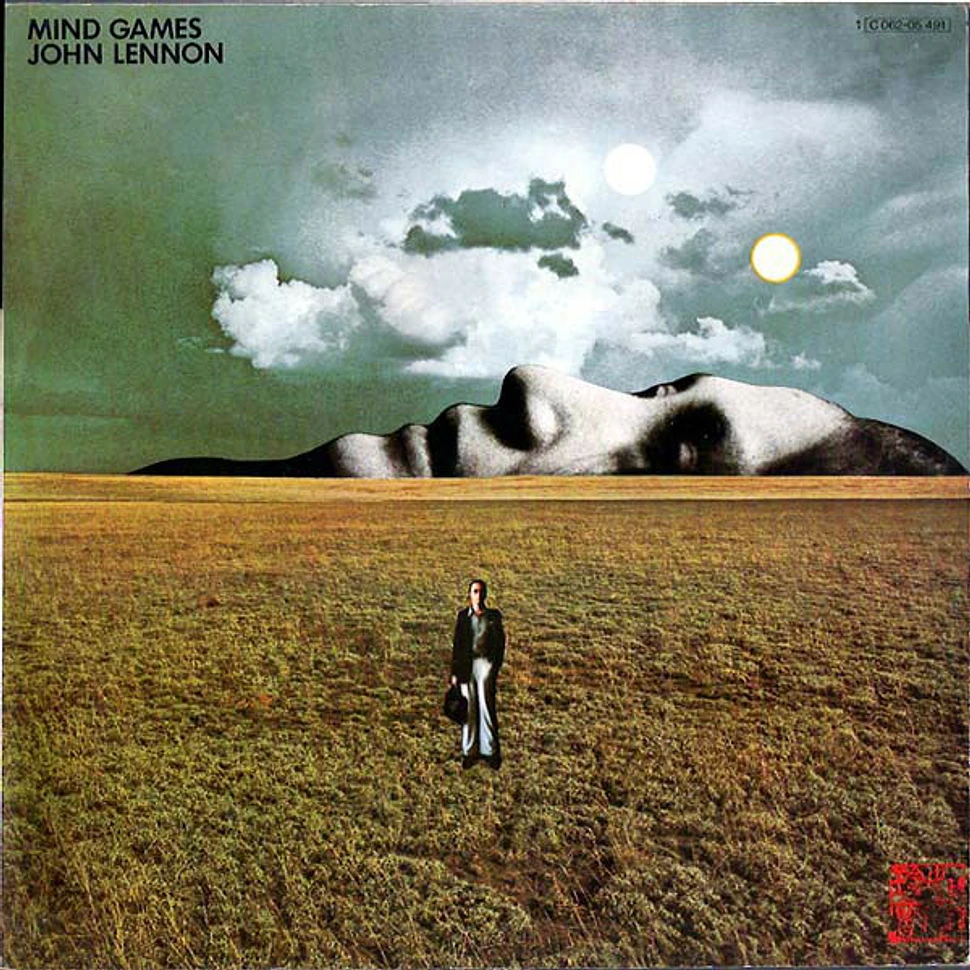
One of his notable works, "Mind Games," released in 1973, stands as a testament to his creative genius and philosophical depth.
The journey of how John Lennon made "Mind Games" offers a fascinating glimpse into his mind, inspirations, and the socio-political landscape of the time.
The Genesis of "Mind Games"
The creation of "Mind Games" did not occur in isolation but was the result of Lennon's evolving thoughts and experiences.
The song began as a concept that he had toyed with during the late stages of The Beatles.
Initially, the idea took root in a song called "Make Love, Not War," a phrase that had become ubiquitous among the counter-culture movement of the 1960s.
However, it wasn’t until 1973 that it fully blossomed into what we know today as "Mind Games."
Lennon's Intellectual Influences

John Lennon was a voracious reader and thinker, and his wide array of intellectual influences played a significant role in shaping "Mind Games."
One of the primary philosophical influences was the concept of "mind games" itself, which he derived from a book titled "Mind Games: The Guide to Inner Space" by Robert Masters and Jean Houston.
This book delved into the potential of the human mind and consciousness, a subject that fascinated Lennon deeply.
Furthermore, Lennon was significantly influenced by the works of Maharishi Mahesh Yogi and L. Ron Hubbard.
This amalgamation of Eastern mysticism and Western psychological exploration fed into the thematic essence of the song.
Lennon's pursuit of inner peace, amid the chaos surrounding his life, pervaded the lyrics and mood of "Mind Games."
Crafting the Lyrics
When it comes to the lyricism of "Mind Games," it’s clear that Lennon aimed for a balance between simplicity and profundity.
Opening with the lines, "We're playing those mind games together, pushing the barriers, planting seeds," Lennon crafted a song that was not just about personal introspection but also collective human endeavor.
The lyrics call for unity, peace, and a higher state of consciousness—core themes that resonate throughout John Lennon's body of solo work.
The chorus, "Yes is the answer, and you know that for sure," is a powerful affirmation, countering negativity and doubt.
This reflects Lennon's lifelong advocacy for peace and love, born from his involvement in the anti-war movement and his own personal experiences with love and conflict.
The Music Composition
Musically, "Mind Games" melds elements of rock and roll with a more ethereal, contemplative vibe.
This blend was emblematic of John Lennon's later works, where he sought to combine the raw energy of rock with introspective lyricism.
The song's chord progression is relatively straightforward, yet it carries a sense of upliftment and resolve, complementing the lyrics' hopeful tone.
The instrumental arrangement of "Mind Games" is equally evocative. With Phil Spector initially involved before Lennon took full control, the production features lush layers of strings, keyboards, and guitars.
These elements create a rich, immersive soundscape that enhances the song’s meditative quality.
Recording the Song
The recording sessions for "Mind Games" took place in July 1973 at the Record Plant Studios in New York City.
During these sessions, Lennon was accompanied by a talented group of musicians, including Jim Keltner on drums and David Spinozza on guitar.
The atmosphere in the studio was charged with creativity, tempered by Lennon's exacting standards and his desire to capture the song's essence.
John Lennon was known for his meticulous approach to recording, often spending countless hours perfecting the sound.
For "Mind Games," he was particularly focused on achieving the right balance between the vocal delivery and the instrumental backing.
The polished final product showcases Lennon's commitment to his artistic vision and his ability to translate complex ideas into compelling music.
Release and Reception
"Mind Games" was released as the title track of John Lennon’s fourth solo studio album on October 29, 1973.
Upon release, the song received a mix of critical reviews but was generally well-received by his dedicated fanbase.
Over time, "Mind Games" has gained appreciation for its lyrical depth and musical innovation, becoming one of the standout tracks in John Lennon’s solo catalog.
Commercially, the song performed well, reaching number 18 on the Billboard Hot 100 chart in the United States and entering the top 40 in several other countries.
The album itself solidified Lennon's position as a solo artist capable of producing thought-provoking, meaningful work, even apart from his monumental success with The Beatles.
Legacy and Impact
The legacy of "Mind Games" extends beyond its initial release, continuing to inspire new generations of listeners and musicians.
The song has been covered by various artists and remains a staple in discussions about John Lennon's contributions to music and social advocacy.
"Mind Games" encapsulates the duality of John Lennon as both an artist and a philosopher.
It reflects his quest for personal enlightenment and his desire to impact the world positively through his music.
The song's message of unity, peace, and elevated consciousness is as relevant today as it was during the turbulent times of the early 1970s.
Concluding Thoughts
John Lennon's "Mind Games" is more than just a song; it is a reflection of his profound insights and enduring legacy.
Crafted during a period of significant personal and societal change, the song stands as a testament to Lennon’s ability to translate complex ideas into accessible and impactful music.
Its blend of introspective lyrics and compelling musical composition captures the essence of what made Lennon an iconic figure in the world of music and beyond.
In the end, "Mind Games" remains a masterful creation that continues to resonate with listeners around the world.
It serves as a lasting reminder of John Lennon's genius and his timeless message of peace, love, and consciousness.


