
When The Beatles disbanded in 1970, the world was left wondering what the future held for its former members.
Paul McCartney, the iconic bassist, songwriter, and singer of the legendary band, was not about to slow down.
Instead, he embarked on a new musical journey that would define the next decade of his career: Paul McCartney and Wings.
This article explores the story behind Paul McCartney and Wings, detailing how the band formed, their successes, challenges, and lasting impact on music history.
The Birth of Wings
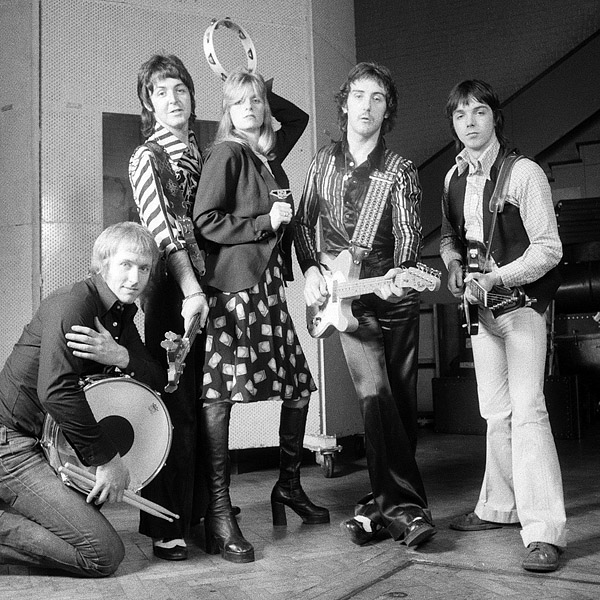
After the breakup of The Beatles, Paul McCartney was determined to continue creating music.
In 1971, he founded Wings, a band that would allow him to explore new musical directions and continue his passion for performing.
The original lineup included his wife Linda McCartney on keyboards, Denny Laine (formerly of The Moody Blues) on guitar, and drummer Denny Seiwell.
Paul's decision to include Linda in the band was both a personal and professional one. Despite facing criticism for her lack of musical experience, Linda quickly proved herself as a valuable member of the group.
Paul often joked that her presence kept him grounded and added a unique dynamic to the band's sound.
Early Struggles and First Success
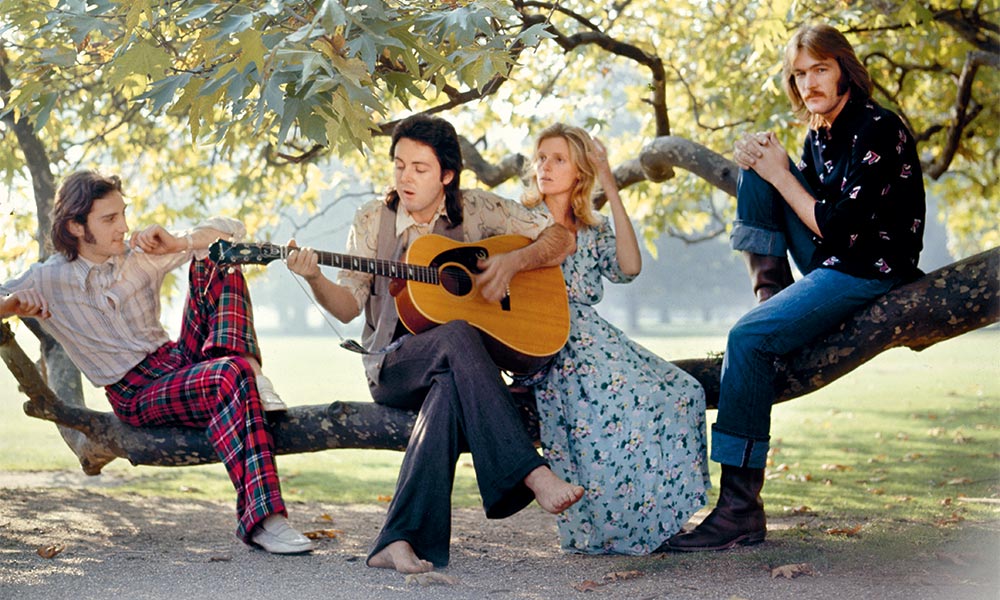
The formation of Wings wasn't without its struggles. Their debut album, "Wild Life," released in 1971, received mixed reviews.
Critics were not kind, and the album's raw, unpolished sound didn't resonate with all fans. However, Paul McCartney's resilience shone through.
Rather than being deterred by the criticism, he viewed it as a learning experience and continued to push forward.
A turning point came with their second album, "Red Rose Speedway," released in 1973. The album included the hit single "My Love," which showcased Paul's ability to craft timeless love songs.
This song became a major success, reaching number one on the Billboard Hot 100 and proving that Paul McCartney and Wings had the potential to achieve greatness.
The Band's Golden Era
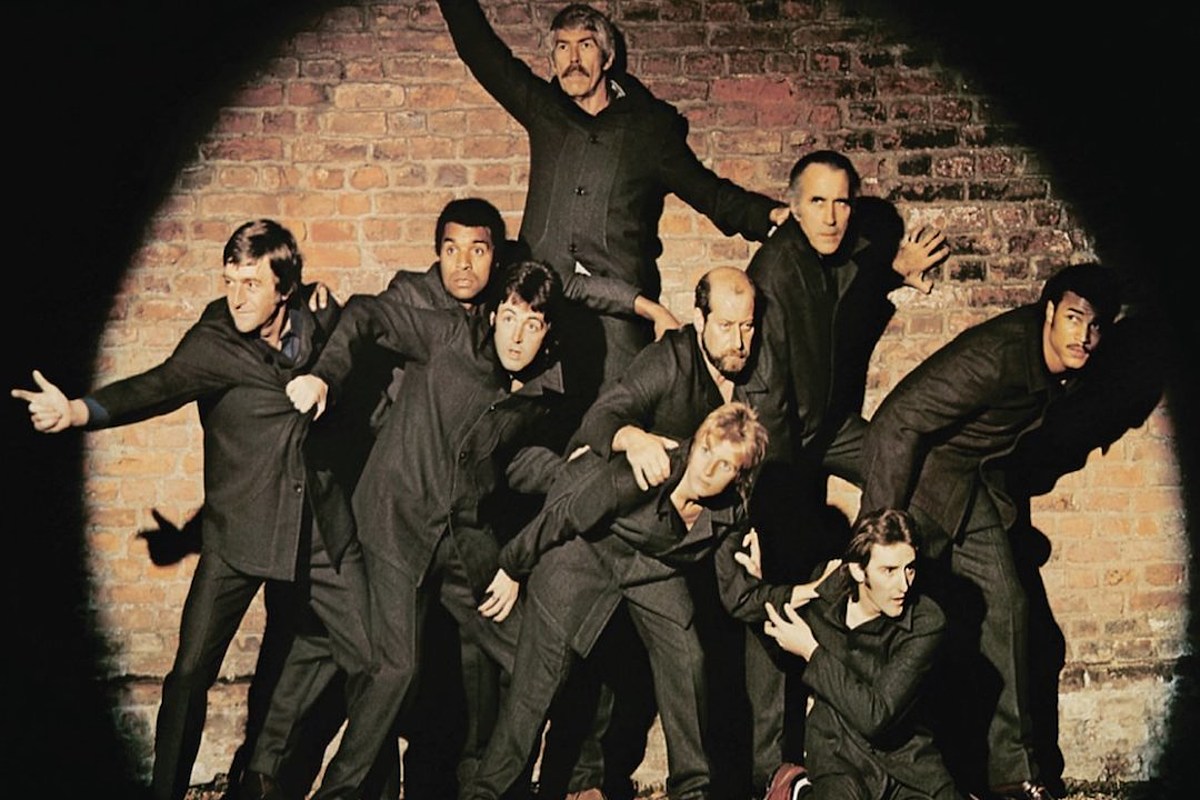
The true breakthrough for Wings came with the release of "Band on the Run" in 1973. This album was a game-changer, both critically and commercially.
Recorded in Lagos, Nigeria, the album's creation was fraught with challenges, including equipment theft and health issues.
Despite these obstacles, "Band on the Run" emerged as a masterpiece, blending rock, pop, and experimental sounds.
The title track, "Band on the Run," along with other hits like "Jet" and "Let Me Roll It," solidified Wings' reputation as a formidable band.
The album topped the charts in both the UK and the US, earning Grammy Awards and critical acclaim. Paul McCartney's songwriting brilliance and the band's cohesive performance were undeniable.
Touring and Live Performances
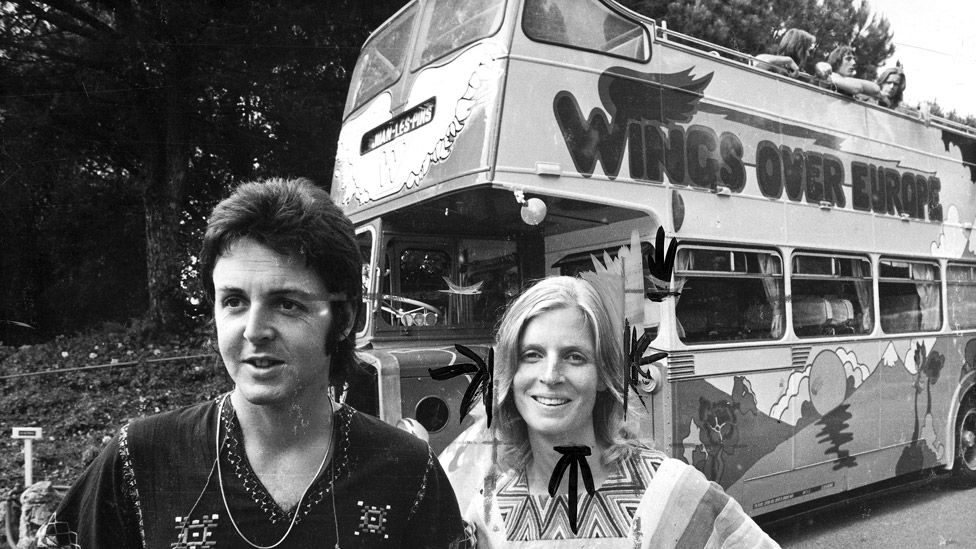
Wings became known for their energetic and captivating live performances. The band's first major tour, "Wings Over Europe" in 1972, was a success and laid the groundwork for future tours.
However, it was the "Wings Over the World" tour in 1975-76 that truly showcased their prowess.
This tour saw them performing in front of massive audiences, including a historic performance at the Kingdome in Seattle, where they played to over 67,000 fans.
Paul McCartney's ability to connect with the audience was a highlight of their live shows.
His charisma, combined with the band's tight musicianship, created an unforgettable concert experience.
Fans were treated to a mix of Wings hits and beloved Beatles classics, making each performance a nostalgic yet fresh experience.
Changing Lineups and Continued Success
Like many bands, Wings experienced several lineup changes throughout their existence.
Drummer Denny Seiwell and guitarist Henry McCullough left the band after "Red Rose Speedway," and were replaced by Geoff Britton and Jimmy McCulloch.
Despite these changes, Wings continued to produce hit albums and singles.
"Venus and Mars" (1975) and "Wings at the Speed of Sound" (1976) were both successful albums that produced hits like "Listen to What the Man Said" and "Silly Love Songs."
The latter became one of the band's most famous tracks, reaching number one on the Billboard Hot 100.
Paul McCartney's knack for writing catchy, memorable tunes was on full display.
The Challenges and End of Wings

Despite their success, Wings faced significant challenges. The late 1970s were marked by personal and professional difficulties, including drug-related arrests and internal tensions.
Guitarist Jimmy McCulloch and drummer Joe English left the band in 1977, and Wings was temporarily reduced to a trio.
In 1979, Wings released their final album, "Back to the Egg." While it received mixed reviews, it included notable tracks like "Getting Closer" and "Arrow Through Me."
The band embarked on a final tour, "Wings UK Tour 1979," but the increasing pressure and personal issues eventually led to the band's dissolution in 1981.
Legacy and Influence
Despite their relatively short existence, Paul McCartney and Wings left an indelible mark on music history.
They achieved numerous hit records, sold-out tours, and critical acclaim, solidifying Paul McCartney's status as a music legend beyond his Beatles fame.
Songs like "Band on the Run," "Live and Let Die," and "Silly Love Songs" continue to be celebrated as classics.
Wings' influence can be seen in the work of many contemporary artists who cite Paul McCartney as a major inspiration.
The band's ability to blend different musical styles and create enduring melodies has had a lasting impact on the music industry.
Fun Facts and Anecdotes
Recording in Lagos: The decision to record "Band on the Run" in Lagos, Nigeria, was initially met with skepticism.
However, Paul was excited about the challenge and the opportunity to record in an exotic location.
Despite facing several issues, including being held at knifepoint and suffering from a severe cold, Paul and the band managed to produce one of their greatest albums.
Linda McCartney's Contribution: Linda McCartney's involvement in Wings was often criticized, but Paul always defended her presence.
He often joked that having Linda in the band was like having his "musical Yoko," emphasizing her importance to him both personally and professionally.
Live and Let Die: One of Wings' most famous songs, "Live and Let Die," was written for the James Bond film of the same name.
The song was a major hit and remains a staple of Paul McCartney's live performances.
Its dramatic orchestration and powerful vocals make it a standout track in Wings' catalog.
The story of Paul McCartney and Wings is one of resilience, creativity, and enduring talent.
From the early struggles and lineup changes to the massive successes and unforgettable performances, Wings proved that Paul McCartney's musical genius extended far beyond The Beatles.
The band's legacy continues to inspire and entertain music lovers around the world, solidifying their place in the annals of rock history.
For fans of Paul McCartney, revisiting the music of Wings is a journey through a vibrant and dynamic era of his career.
Whether you're listening to the soaring melodies of "Band on the Run" or the infectious grooves of "Silly Love Songs," there's no denying the magic that Paul McCartney and Wings brought to the world of music.


