
Joe Cocker, a legendary figure in rock and blues, left an indelible mark on the music industry with his unique voice and emotive interpretations of classic songs.
One such unforgettable rendition is his version of "Bye Bye Blackbird," a tune that has been recorded by countless artists over the decades.
This article delves into the story behind Joe Cocker's "Bye Bye Blackbird," its significance, and the remarkable impact it had both on Cocker's career and on listeners worldwide.
The Origins of "Bye Bye Blackbird"
Before diving into Joe Cocker's interpretation, it is important to understand the origins of "Bye Bye Blackbird." The song was written in 1926 by composer Ray Henderson and lyricist Mort Dixon.
It quickly became a jazz standard, covered by a plethora of artists including Nina Simone, Frank Sinatra, and Peggy Lee.
The song's simple yet poignant lyrics revolve around themes of departure and longing, making it a timeless piece that resonates with a wide audience.
Joe Cocker's Discovery of the Song

Joe Cocker's musical journey was marked by an ability to take classic songs and infuse them with his own unique spirit.
"Bye Bye Blackbird" was no exception. Cocker discovered the song during his extensive exploration of the American songbook, which was filled with tracks that had stood the test of time.
His fascination with the song's emotional depth and lyrical simplicity inspired him to create his own rendition.
Cocker's interpretation of "Bye Bye Blackbird" was first featured on his 1969 debut album, "With a Little Help from My Friends."
At this point in his career, Cocker was already becoming known for his raw vocal talent and his ability to transform familiar tunes into something extraordinarily new and emotionally impactful.
The Arrangement and Vocal Delivery
One of the most striking aspects of Joe Cocker's "Bye Bye Blackbird" is its arrangement.
Unlike many previous versions, which leaned heavily into jazz or pop elements, Cocker's rendition features a blues-rock arrangement.
The track opens with a soulful piano that sets a melancholic yet hopeful tone, followed by Cocker's gritty and deeply emotional vocal entrance.
Joe Cocker's powerful and raspy voice brings a new dimension to "Bye Bye Blackbird."
His rendition is characterized by an incredible sense of vulnerability and raw emotion, something that defined much of his musical output.
When Cocker sings the lines, "Pack up all my cares and woe, here I go, singing low," the listener can almost feel the weight of the world lifting, making way for a journey toward hope and redemption.
Instrumental Excellence
The musical arrangement of Joe Cocker's "Bye Bye Blackbird" is also notable for its instrumental excellence.
The song features contributions from some of the era's most talented musicians.
The rich instrumentation includes soulful piano, dynamic guitar riffs, and subtle yet impactful percussion.
Each instrument complements Cocker’s vocals perfectly, creating a cohesive and emotionally stirring soundscape.
One particular highlight is the piano work, which provides a beautiful counterpoint to Cocker's expressive singing.
The piano not only sets the mood but also adds depth to the song, reinforcing its emotional impact.
The interplay between the instruments in "Bye Bye Blackbird" showcases the collaborative effort that went into making this rendition a standout track.
Live Performances

Joe Cocker's live performances of "Bye Bye Blackbird" are legendary.
Known for his passionate and often physically intense performances, Cocker brought "Bye Bye Blackbird" to life on stage in ways that captivated audiences.
His live renditions often included moments of spontaneous emotional expression, with Cocker's voice soaring above the instrumentation to deliver an unforgettable experience.
One notable live performance occurred during the legendary Woodstock Festival in 1969, where Cocker's electrifying rendition left a lasting impression on both attendees and viewers who later watched the performance.
These live versions added another layer of depth to "Bye Bye Blackbird," proving that Cocker's talent transcended the recording studio to touch hearts in real-time.
Critical Reception
Joe Cocker's "Bye Bye Blackbird" received widespread acclaim from both critics and fans.
His ability to reinterpret a classic song in such a raw and emotionally honest way earned him praise and helped solidify his reputation as a formidable interpreter of songs.
Many critics noted that Cocker's rendition managed to be both faithful to the original's emotional core while simultaneously making it entirely his own.
The song also helped to cement Joe Cocker's place in the pantheon of musicians capable of transforming well-known tunes into personal artistic statements.
His "Bye Bye Blackbird" became a benchmark for how cover songs could be approached, demonstrating the power of vocal delivery, arrangement, and emotional authenticity.
Influence and Legacy
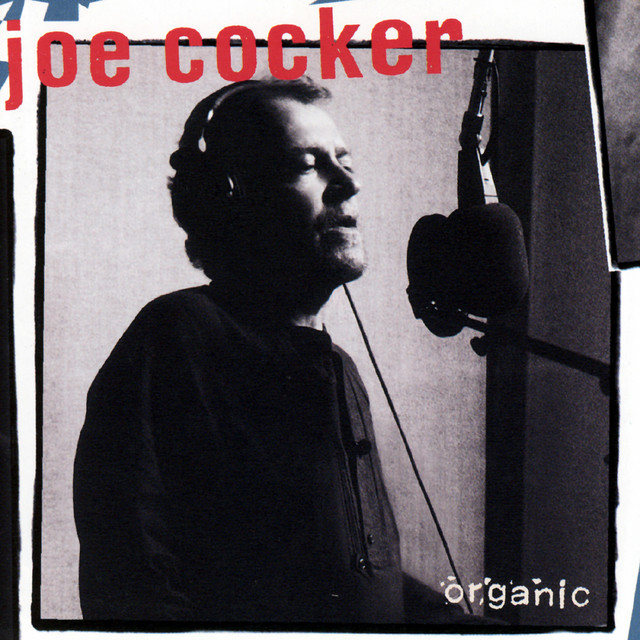
The impact of Joe Cocker's "Bye Bye Blackbird" extends beyond his own career.
Numerous artists have cited Cocker's rendition as influential, pointing to his ability to convey deep emotion and connect with listeners on a profound level.
Cocker's version has inspired subsequent covers and performances, each drawing from the emotional intensity and musical brilliance that he brought to the song.
Moreover, "Bye Bye Blackbird" has remained a beloved part of Joe Cocker's musical legacy.
It is a track that fans continue to revisit, discovering new layers of meaning and emotional resonance with each listen.
As such, it stands as a testament to Cocker's enduring influence and his unique ability to breathe new life into timeless songs.
Joe Cocker's Artistic Vision
Joe Cocker's interpretation of "Bye Bye Blackbird" is a reflection of his overarching artistic vision.
Throughout his career, Cocker was known for his unconventional choices and his commitment to authenticity.
He often selected songs that allowed him to explore complex emotional landscapes, using his distinctive voice to articulate feelings of longing, pain, and redemption.
In the case of "Bye Bye Blackbird," Cocker's choice to adopt a blues-rock arrangement and his emotionally charged vocal delivery exemplify his approach to music.
He saw each song as an opportunity to tell a story and to share a piece of his own soul with the audience.
This artistic vision helped Cocker create a body of work that continues to resonate deeply with listeners.
The Broader Context of Cocker's Career
"Bye Bye Blackbird" occupies an important place in the broader context of Joe Cocker's career.
Released as part of his debut album, the song showcased his ability to reinterpret classic material and set the stage for a career that would be marked by similar achievements.
Cocker went on to release numerous albums, achieve chart success, and earn accolades for his contributions to music.
Cocker's ability to navigate the complexities of the music industry, while remaining true to his unique artistic voice, is a testament to his talent and resilience.
His rendition of "Bye Bye Blackbird" is emblematic of his broader career, which was characterized by an unwavering commitment to emotional honesty and musical excellence.
Joe Cocker's rendition of "Bye Bye Blackbird" stands as a powerful example of his ability to transform a classic song into a deeply personal and emotionally resonant piece of music.
Through his soulful arrangement and raw vocal delivery, Cocker breathed new life into a timeless tune, making it his own and leaving a lasting impact on listeners and fellow musicians alike.
The legacy of Joe Cocker and his interpretation of "Bye Bye Blackbird" continues to inspire and move audiences around the world.
As we reflect on his extraordinary career and his contributions to music, we are reminded of the power of authenticity and emotional depth in creating art that endures.


