
The Beatles, the legendary British band that revolutionized popular music, are known for their diverse and innovative catalog.
Among their many songs, "One After 909" stands out as a unique entry. Originally recorded during the early sessions of their career, the song evolved significantly before its final release.
This article explores the meaning behind "One After 909," delving into its origins, lyrical content, and the context in which it was created.
Origins and Early Recording

"One After 909" was first recorded by The Beatles in 1963, a period marked by their rise to fame.
The song is a traditional rock and roll number, reflecting the influence of early rock pioneers like Chuck Berry and Little Richard.
Written by John Lennon and Paul McCartney, the song showcases their early songwriting style and their affinity for classic rock and roll.
The original version of "One After 909" was recorded during the sessions for their debut album, Please Please Me.
This early recording, however, was not included on the album. Instead, the song was shelved and would not appear on a Beatles album until much later.
Lyrical Content and Meaning
The lyrics of "One After 909" tell a straightforward story of a train journey. The narrator describes waiting for a train and missing it, only to be left behind.
The repetitive refrain, "One after 909," refers to the idea of catching a train after the first one has passed.
On the surface, the song appears to be a simple tale of missed opportunities and the frustration of waiting.
However, there are deeper layers to the lyrics. The train can be seen as a metaphor for the passage of time and missed chances.
The repeated mention of the train number, 909, emphasizes the theme of waiting and the inevitability of missed opportunities.
The Beatles’ Musical Influences
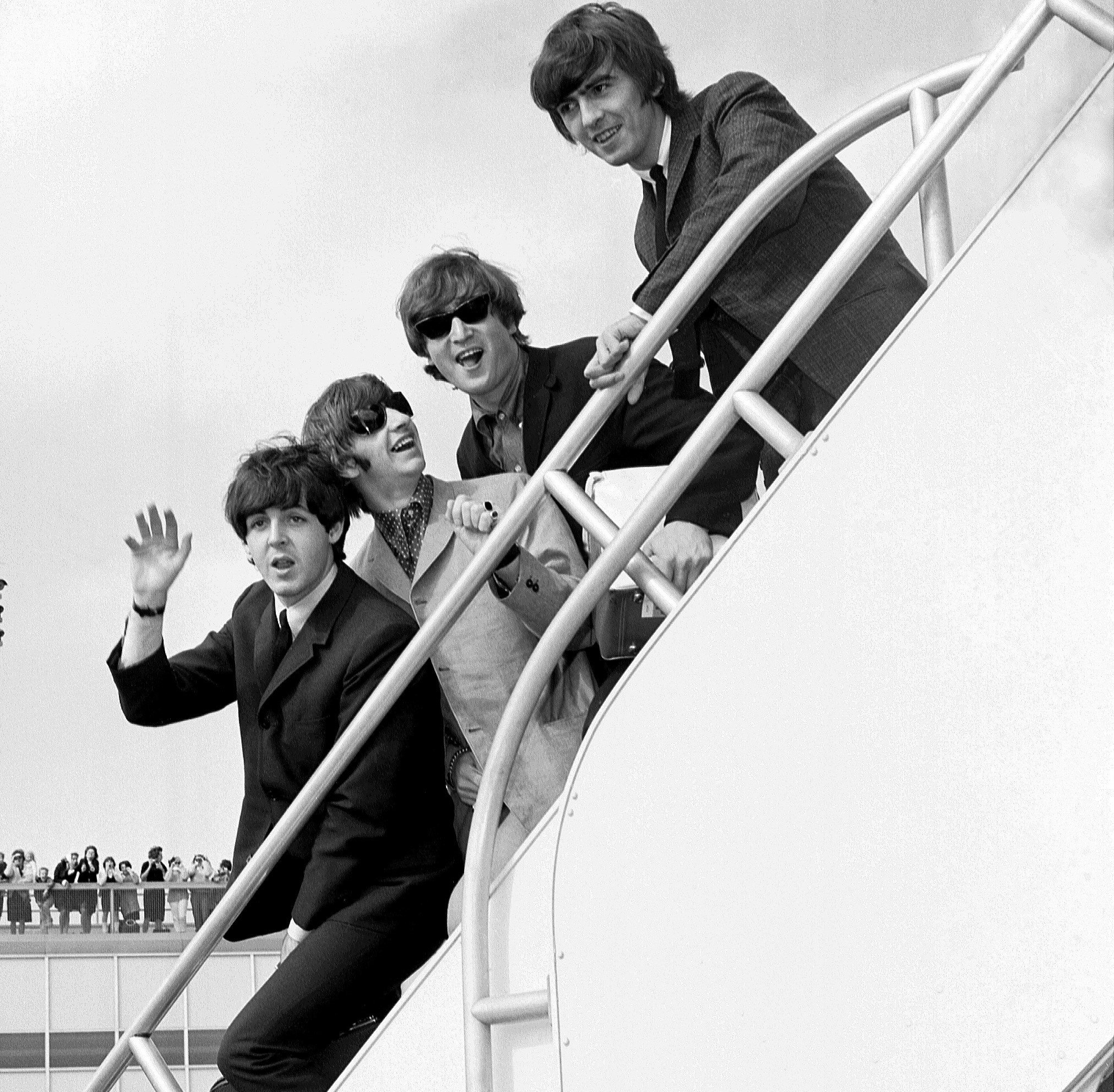
The song’s musical style reflects The Beatles' early influences. The rock and roll sound of "One After 909" is reminiscent of the 1950s rock and roll era, which had a significant impact on the band’s early work.
The song features a straightforward rock beat, energetic guitar riffs, and a catchy melody that mirrors the style of their early performances.
The Beatles were known for their ability to blend their influences into a unique sound, and "One After 909" is a prime example of this.
While the song pays homage to early rock and roll, it also showcases the band's evolving musical style and their ability to infuse traditional elements with their own flair.
The Evolution of the Song
Although "One After 909" was recorded early in The Beatles' career, it did not make it onto their debut album.
Instead, the song was revisited and re-recorded during the Let It Be sessions in 1969.
This later version, which was ultimately included on the Let It Be album, reflects the band's growth and development over the years.
The 1969 version of "One After 909" features a more polished production and a fuller arrangement compared to the 1963 recording.
The song's structure remains largely the same, but the addition of new elements, such as backing vocals and a more refined instrumental arrangement, highlights the band's progression as musicians.
The decision to include "One After 909" on the Let It Be album was somewhat surprising, given that the song was recorded several years earlier.
However, its inclusion on the album serves as a reminder of The Beatles' ability to revisit and reinterpret their earlier work, showcasing their versatility and creative evolution.
The Song’s Place in The Beatles’ Legacy
"One After 909" holds a special place in The Beatles' legacy. Although it was not one of their most famous or commercially successful songs, it provides valuable insight into their early influences and musical development.
The song serves as a snapshot of The Beatles' early rock and roll roots and their ability to evolve over time.
The inclusion of "One After 909" on the Let It Be album also highlights the band's willingness to experiment and take risks with their music.
By revisiting an earlier recording and reimagining it for a later album, The Beatles demonstrated their commitment to artistic exploration and their ability to breathe new life into their past work.
The Song’s Cultural Impact

While "One After 909" may not have achieved the same level of fame as some of The Beatles' other songs, it remains an important part of their discography.
The song's blend of early rock and roll influences and its reflection of The Beatles' evolving sound make it a valuable piece of their musical legacy.
The song has been appreciated by fans and critics alike for its energetic performance and catchy melody.
It serves as a reminder of The Beatles' ability to capture the essence of rock and roll while also pushing the boundaries of the genre.
"One After 909" is a fascinating example of The Beatles' early rock and roll influences and their evolution as musicians.
The song’s simple story of missed opportunities and waiting is elevated by its energetic performance and catchy melody.
Through its early recording and later reimagining, "One After 909" provides valuable insight into The Beatles' musical journey and their ability to blend traditional influences with their own unique style.
The song's place in The Beatles' legacy is a testament to their versatility and creativity.
While it may not be one of their most famous tracks, "One After 909" remains an important part of their discography, reflecting the band's growth and development over time.
As fans and critics continue to explore The Beatles' extensive catalog, "One After 909" stands as a reminder of their enduring impact on rock and roll and their ability to evolve while staying true to their roots.


