
Joe Cocker’s legendary voice and soulful grit have left an indelible mark on the world of music.
Among his many celebrated works, "High Time We Went" stands out as a powerful anthem of resilience and transformation.
This classic track, which encapsulates Cocker's raw energy and emotional depth, has an intriguing backstory that reflects significant moments in his life and career.
In this article, we delve into the compelling origins, creative process, and enduring impact of Joe Cocker’s "High Time We Went".
A Turning Point in Joe Cocker’s Career
The early 1970s were a period of great change for Joe Cocker. Having soared to international fame with his electrifying Woodstock performance in 1969, Cocker had become synonymous with soulful interpretations and staggering vocal prowess.
Despite his meteoric rise, the singer was grappling with the pressures of stardom, industry expectations, and personal demons.
"High Time We Went" was born out of this tumultuous period. Released in 1971 as a single and featured on the album "Joe Cocker", the song signaled both a renewal and a turning point in Cocker’s career and personal life.
Co-written by Cocker and his frequent collaborator, Chris Stainton, the track combined bluesy melodies with heartfelt lyrics, capturing the essence of Joe's journey towards reclaiming his identity and purpose.
The Genesis of “High Time We Went”
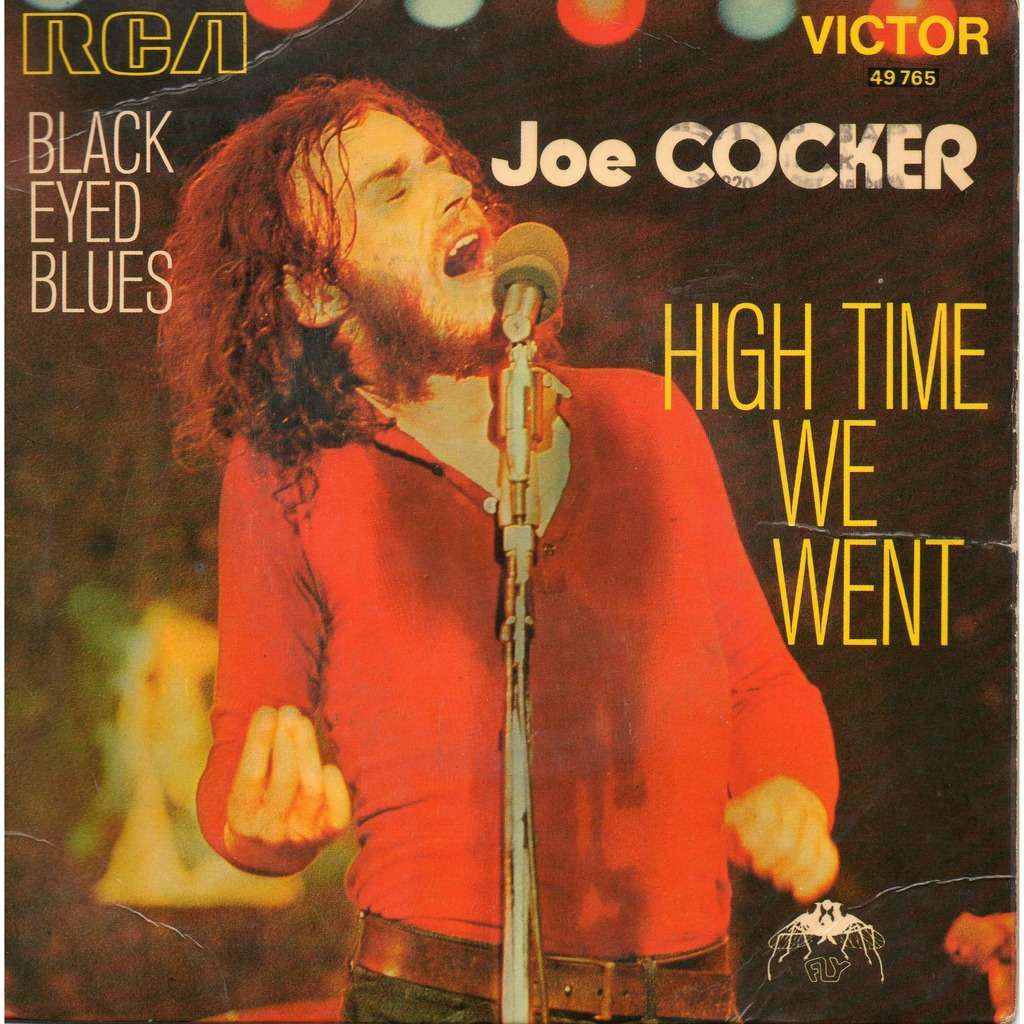
The story behind “High Time We Went” begins with the collaborative synergy between Joe Cocker and Chris Stainton.
Stainton, a talented pianist and composer, had worked closely with Cocker since the late 1960s.
Their partnership was instrumental in shaping many of Cocker’s hits, infusing them with a unique blend of rock and soul.
In an interview, Stainton recalled the creative process behind the song: "Joe and I were both feeling stuck.
The music industry was tough, and we wanted to create something that spoke to our own frustrations and desires for change."
With this intention, they crafted “High Time We Went”, a track that resonated with themes of departure, renewal, and the pursuit of freedom.
The Lyrics: A Reflection of Struggle and Liberation
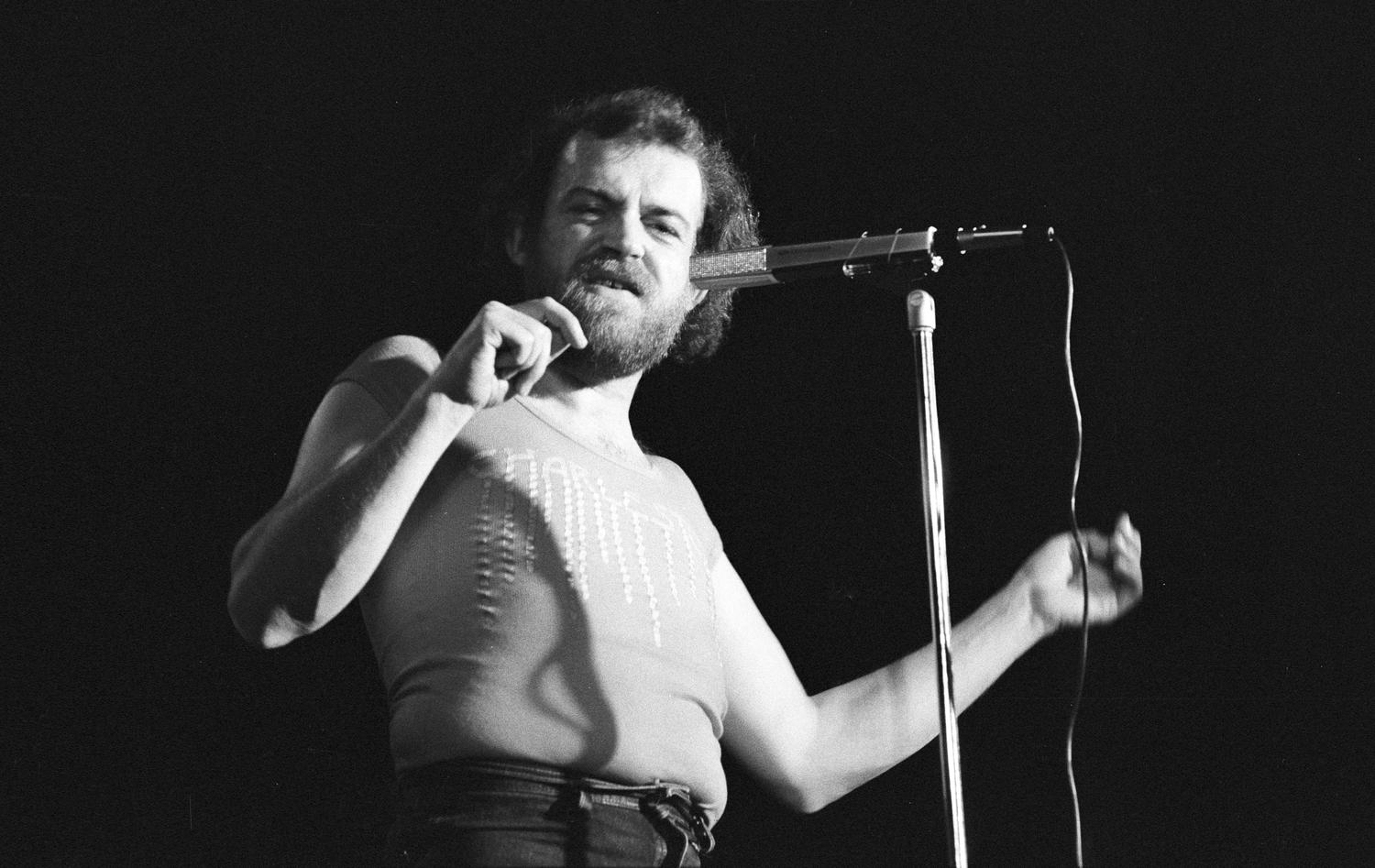
Examining the lyrics of "High Time We Went" offers a window into Cocker’s state of mind during its creation.
Lines like "Well, it's five o'clock in the morning / You're feelin' just like the end of a mule" convey a sense of weariness and entrapment, while the recurring phrase "high time we went" becomes a powerful refrain of liberation and self-assertion.
The song’s chorus, with its infectious groove and catchy melody, invites listeners to join in the spirit of emancipation. It’s a call to move forward, to break free from the chains of past burdens, and to embrace new beginnings.
The emotive quality of Cocker’s voice, coupled with the bluesy instrumentation, heightens the song’s impact, making it a timeless testament to resilience.
Musical Composition and Production
"High Time We Went" is as much a testament to musical craftsmanship as it is to lyrical depth.
The song's arrangement illustrates the seamless blend of rock, soul, and blues that characterized much of Joe Cocker’s work.
From the gritty guitar riffs and driving piano lines to the dynamic brass sections, every element contributes to the song’s compelling narrative.
The production of the track, overseen by Denny Cordell, a renowned producer who had previously worked with artists like Procol Harum and the Moody Blues, ensured that the raw energy of Cocker's performance was faithfully captured.
Cordell's expertise in balancing powerful vocal delivery with nuanced instrumentation helped bring "High Time We Went" to life, creating a sound that was both polished and profoundly authentic.
Reception and Legacy

Upon its release, "High Time We Went" received widespread acclaim from both critics and fans.
The song’s honest portrayal of struggle and its upbeat, liberating tone struck a chord with many listeners. It became a staple in Cocker's live performances, often serving as a climactic moment of connection between the artist and his audience.
Over the years, "High Time We Went" has been covered by numerous artists, further cementing its status as a classic.
Its influence can be seen in the work of musicians who have cited Joe Cocker as a source of inspiration.
The song has also featured in various media, including films and television shows, ensuring its continued relevance in popular culture.
A Personal Resolution
For Joe Cocker, “High Time We Went” was more than just a hit song; it was a personal resolution.
It marked a decisive moment where he chose to confront his struggles head-on and to channel his experiences into his music.
In the years following its release, Cocker continued to evolve as an artist, exploring new genres and styles while maintaining the soulful essence that defined his work.
The song’s message of empowerment and transformation resonates with listeners to this day.
It serves as a reminder that, regardless of the challenges we face, there is always the possibility of new beginnings. "High Time We Went" stands as a testament to the enduring power of music to heal, inspire, and unite.
Joe Cocker’s “High Time We Went” is a song that encapsulates a pivotal moment in the artist’s life and career.
Its origins, rooted in collaboration, struggle, and the quest for freedom, reflect the existential themes that many people grapple with.
The track’s powerful lyrics, masterful composition, and lasting impact make it a cornerstone of Cocker’s legacy.
For listeners old and new, "High Time We Went" offers more than just a musical experience; it provides a narrative of resilience and hope.
Through this song, Joe Cocker continues to inspire countless individuals to embrace change, overcome adversity, and seek out new horizons.


1 comment
Joe Cocker and my husband, Albert, (named for his English grandfather who was named after the Queen’s Prince Albert who would later came to Boston when orphaned) have always looked like brothers going back for years. The magic felt at Joe’s concerts was something we shared for years. One of the very best was in Austin, TX, when Joe opened for Tina Turner’s final tour. We took our grandson, Noah, to see the show as his father was a musician, too. In our town, I’m known as the “HAT LADY” cause I’m “LEAVING MINE ON!”