
Few albums in Paul McCartney’s illustrious career capture the spirit of his post-Beatles experimentations as vividly as "Red Rose Speedway."
Released in April 1973, this album marks a pivotal moment in McCartney’s journey with Wings, the band he formed to explore new musical landscapes and establish his identity apart from The Beatles.
In this article, we delve into the making of "Red Rose Speedway," its standout tracks, and why it continues to resonate with fans and music lovers.
The Genesis of Wings and Early Efforts
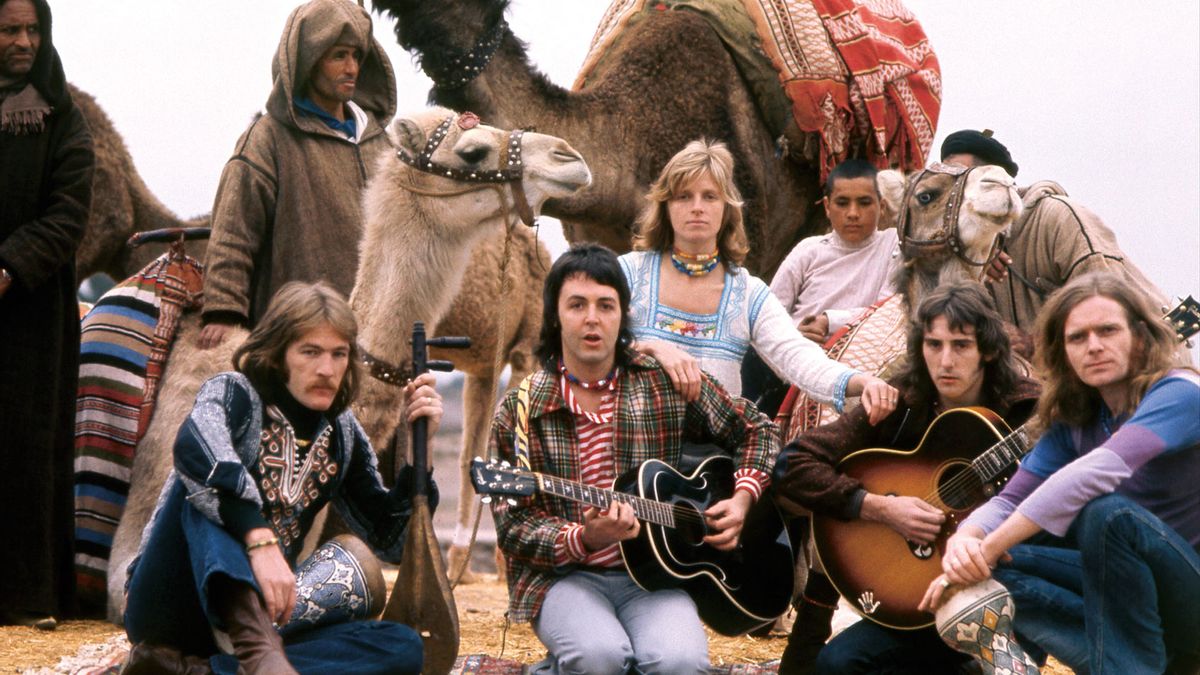
Before diving into "Red Rose Speedway," it’s essential to understand the context in which Paul McCartney formed Wings. Post-Beatles, McCartney faced the monumental task of carving out a solo career while dealing with the immense legacy of his former band.
Determined to strike a balance between commercial success and artistic integrity, he formed Wings in 1971 with his wife, Linda McCartney, and musicians Denny Laine and Denny Seiwell.
Early Wings releases, including "Wild Life" (1971), met with mixed reactions, underscoring the pressure McCartney felt to produce a hit album.
"Red Rose Speedway" emerged from this creative crucible, reflecting McCartney's evolving vision and growing synergy with the band.
Crafting Red Rose Speedway: A Labor of Love
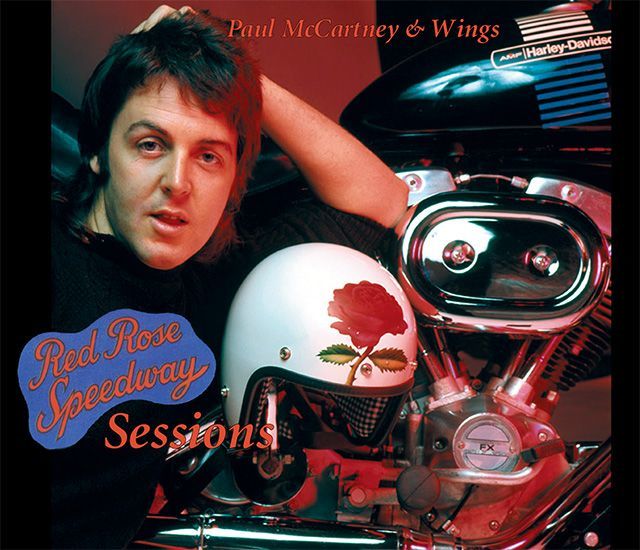
Work on "Red Rose Speedway" began in March 1972. McCartney and the band recorded a plethora of material, initially envisioning the album as a double LP.
The sessions were extensive and took place in various studios, including Abbey Road and Olympic Studios in London.
Despite the abundance of recorded tracks, the decision was eventually made to release a single album, focusing on a more streamlined and commercially appealing selection of songs.
Paul’s meticulous nature and perfectionist tendencies were evident throughout the recording process.
The sessions often involved numerous takes and revisions, underscoring McCartney's commitment to producing an album that resonated both musically and emotionally.
With Linda McCartney contributing backing vocals and keyboard parts, and Denny Laine and Denny Seiwell rounding out the band's sound, "Red Rose Speedway" became a labor of love and collaboration.
The Cover Art: Symbolism and Simplicity

The album's cover, featuring a close-up shot of McCartney with a rose in his mouth, is as iconic as it is symbolic.
Linda McCartney took the photograph, capturing Paul’s playful yet pensive expression. The image of the rose (a gentle nod to the album’s title) symbolizes beauty, love, and the intricate layers of McCartney’s artistry.
The artwork, simple yet evocative, stands in stark contrast to the intricate arrangements and production that define the album’s sound.
This juxtaposition encapsulates the essence of Paul McCartney—capable of creating deeply complex music while maintaining an air of spontaneity and charm.
Standout Tracks: A Journey Through Sound

"Red Rose Speedway" boasts several standout tracks, each showcasing different facets of McCartney’s expansive musical palette. Let’s explore some of these gems:
"Big Barn Bed": The album opens with "Big Barn Bed," a lively track with catchy melodies and rich harmonies. This song sets the tone for the album, pairing McCartney’s trademark songwriting skills with the band’s dynamic instrumentation.
"My Love": One of the album’s most beloved tracks, "My Love," is a heartfelt ballad dedicated to Linda McCartney. Known for its lush orchestration and soul-stirring guitar solo by Henry McCullough, the song became a massive hit, reaching number one on the US Billboard Hot 100. McCartney’s vocal delivery, brimming with genuine emotion, and the song's romantic lyrics continue to resonate with listeners today.
"Get On The Right Thing": This track highlights McCartney’s ability to blend rock energy with pop sensibilities. With its driving rhythm and spirited vocal performance, "Get On The Right Thing" exudes an infectious sense of urgency and optimism.
"Little Lamb Dragonfly": A more introspective and experimental piece, "Little Lamb Dragonfly" showcases McCartney's knack for storytelling through music. The song’s intricate arrangement and evocative lyrics create a dreamlike atmosphere, drawing listeners into its whimsical narrative.
"One More Kiss": This track brings a touch of country flavor to the album, combining gentle acoustic guitar with harmonious vocals. McCartney’s smooth delivery and the song’s reflective lyrics make it a soothing and memorable piece.
"Medley": Hold Me Tight/Lazy Dynamite/Hands of Love/Power Cut": The album concludes with a melodic medley, blending four distinct yet interconnected songs. This ambitious composition is a testament to McCartney's creativity and willingness to experiment. The medley’s seamless transitions and thematic cohesion provide a fitting finale to the album.
Real-Life Examples: Fun Facts and Anecdotes

The recording of "Red Rose Speedway" was not without its share of interesting stories and humorous moments.
One such anecdote involves the song "My Love." During a recording session at Abbey Road, guitarist Henry McCullough spontaneously decided to play an improvised solo, much to McCartney's surprise.
McCartney, known for his attention to detail, initially hesitated but ultimately embraced McCullough’s inspired contribution, recognizing the magic it brought to the track.
Another light-hearted moment occurred during the filming of the promotional video for "My Love." The video features McCartney serenading Linda with the song, their genuine affection palpable onscreen.
In a humorous twist, the video also includes scenes of Paul’s beloved sheepdog, Martha, further emphasizing the warmth and intimacy that define their relationship.
Critical Reception and Commercial Success

Upon its release, "Red Rose Speedway" received mixed reviews from critics, reflecting the polarized opinions that often accompanied McCartney’s post-Beatles work.
Some praised the album’s melodies and production, while others felt it lacked the cohesion and groundbreaking innovation of his previous projects. However, the album’s commercial performance told a different story.
"Red Rose Speedway" quickly climbed the charts, reaching number one on the US Billboard 200 and number five on the UK Albums Chart.
The success of "My Love" as a single further bolstered the album’s popularity, solidifying McCartney's ability to craft chart-topping hits even after the dissolution of The Beatles.
Over time, "Red Rose Speedway" has garnered a more favorable critical reassessment, with many acknowledging its artistic merit and the pivotal role it played in McCartney’s evolving career.
The Enduring Legacy of Red Rose Speedway

"Red Rose Speedway" remains a significant chapter in Paul McCartney's discography, representing a period of growth, experimentation, and artistic exploration.
The album’s blend of heartfelt ballads, spirited rockers, and intricate medleys showcases McCartney's versatility and his unwavering commitment to musical innovation.
For fans, "Red Rose Speedway" offers a glimpse into the collaborative spirit of Wings and the depth of McCartney's songwriting.
The album's enduring appeal lies in its ability to evoke a wide range of emotions, from joy and nostalgia to introspection and romance.
Celebrating a Timeless Classic
As we celebrate the legacy of "Red Rose Speedway," we recognize the album's profound impact on Paul McCartney’s career and its lasting influence on the world of music.
The album embodies the essence of McCartney’s artistry—a blend of meticulous craftsmanship, heartfelt emotion, and unwavering creativity.
"Red Rose Speedway" is not just an album; it’s a journey through the musical landscape of one of the greatest songwriters of our time.
Whether you’re revisiting this classic or discovering it for the first time, the album offers a listening experience that is both timeless and transformative.
So, pop in the record, let the melodies wash over you, and savor the magic of Paul McCartney and Wings’ "Red Rose Speedway."


