
Elvis Presley, the King of Rock and Roll, left an indelible mark on music and popular culture.
Yet, despite his monumental success in the music industry, his ventures into Hollywood were not always met with the same acclaim or satisfaction.
One film that epitomizes his struggles and discontent with his movie career is "Clambake," a 1967 musical comedy.
This article explores why Elvis did not like "Clambake," shedding light on the broader context of his film career, his dissatisfaction with Hollywood, and the impact these frustrations had on his life and work.
Elvis's Early Film Success

Elvis Presley's film career began with much promise. His debut in "Love Me Tender" (1956) was a box-office success, showcasing his charisma and musical talent on the big screen.
Following this, he starred in several well-received films such as "Jailhouse Rock" (1957) and "King Creole" (1958), which are still considered classics today.
These early successes set high expectations for Elvis's future in Hollywood.
However, as the 1960s progressed, the quality of Elvis's films began to decline. Under the management of Colonel Tom Parker, Elvis was pushed into a grueling schedule of making three to four films a year.
This relentless pace prioritized quantity over quality, leading to a series of formulaic musical comedies that were often criticized for their lack of depth and originality.
The Making of "Clambake"
"Clambake," released in 1967, was Elvis Presley's 25th film. The movie follows the story of Scott Hayward (played by Elvis), a wealthy heir who swaps identities with a water-ski instructor to find love and happiness on his own terms.
The plot, filled with predictable twists and romantic entanglements, was typical of the lightweight fare that had come to define Elvis's filmography by this point.
From the outset, "Clambake" faced numerous challenges. The script was uninspired, and the production was rushed to meet tight deadlines.
Elvis himself was not in the best of health during filming, having suffered a fall that resulted in a concussion.
Despite these setbacks, the film was completed, but the final product was far from what Elvis had hoped for.
Frustration with Formulaic Roles
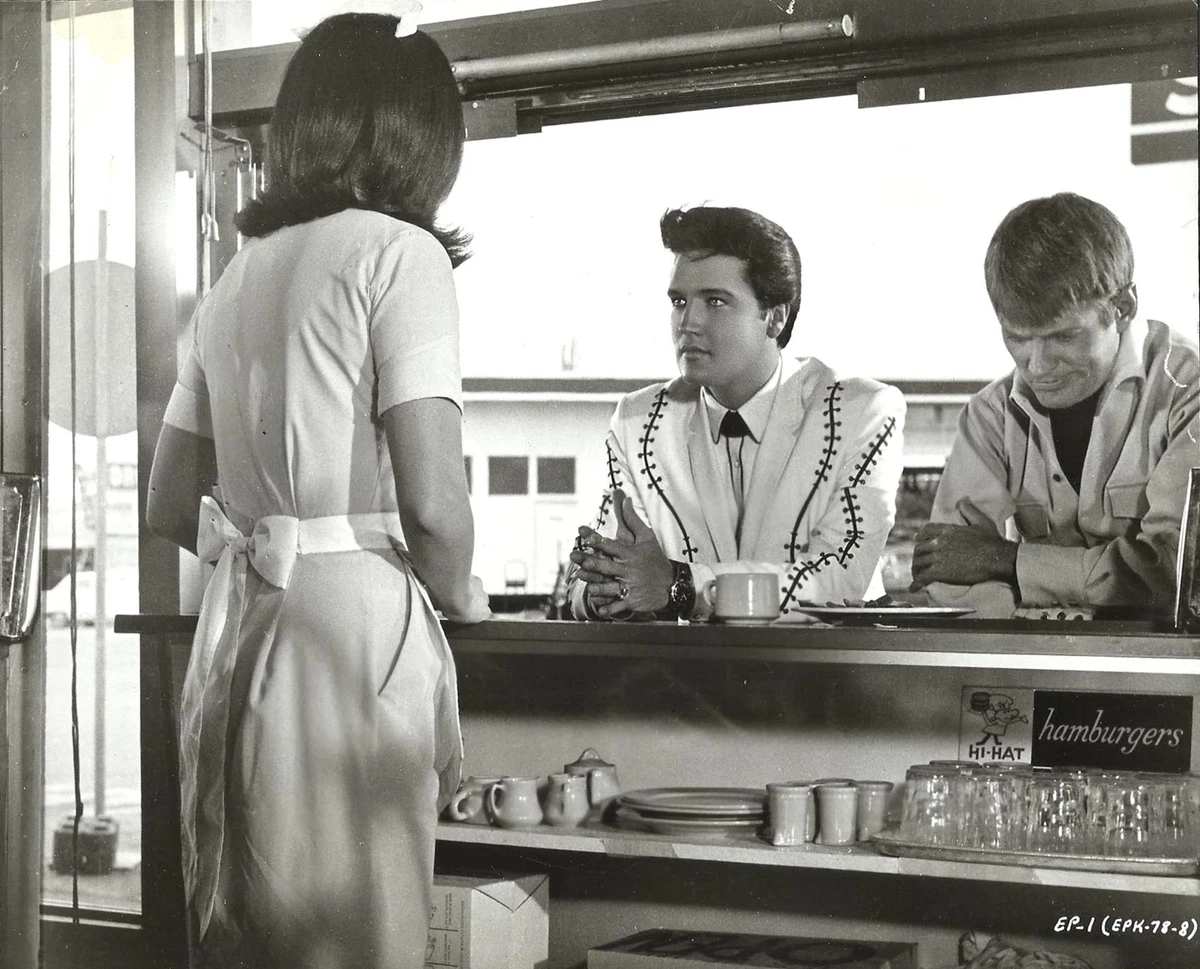
One of the primary reasons Elvis disliked "Clambake" was his frustration with the repetitive nature of his film roles.
By the mid-1960s, Elvis had starred in numerous musical comedies that followed a similar formula: a light-hearted plot, romantic interests, and a series of musical numbers.
This formula, while initially successful, had become stale and uninspired.
Elvis was well aware of his potential as an actor and longed for more substantial and challenging roles.
He admired actors like Marlon Brando and James Dean, who were known for their intense, dramatic performances.
However, Colonel Parker's insistence on sticking to the profitable formula of musical comedies left Elvis feeling trapped and unfulfilled.
"Clambake" epitomized everything that was wrong with his movie career: a lack of creative fulfillment and a focus on commercial success over artistic integrity.
Disillusionment with Hollywood
Elvis's dissatisfaction with "Clambake" was part of a broader disillusionment with Hollywood.
When he first entered the film industry, Elvis had high hopes that his movie career would allow him to explore new creative avenues and reach a wider audience.
However, the reality of Hollywood's commercial focus left him disenchanted.
The relentless schedule of making several films a year took a significant toll on Elvis.
The quality of his movies was often sacrificed for speed and profit, leading to a series of forgettable films.
Elvis felt that he was not taken seriously as an actor and that his potential was being wasted.
This growing frustration came to a head with films like "Clambake," where he felt he was merely going through the motions rather than engaging in meaningful work.
Impact on His Music

Elvis's dissatisfaction with his film career also impacted his music. The demands of filming left him with little time to focus on his music, and many of the songs he recorded for his movies were lackluster compared to his earlier hits.
The soundtracks for his films were often filled with forgettable tunes that did little to showcase Elvis's vocal abilities.
"Clambake" was no exception, with a soundtrack that featured songs that were far from memorable.
Elvis himself was reportedly unhappy with the quality of the music he was required to perform for the film.
This period marked a low point in Elvis's musical career, as the subpar movie soundtracks tarnished his reputation as a groundbreaking artist.
Elvis's Desire for Change
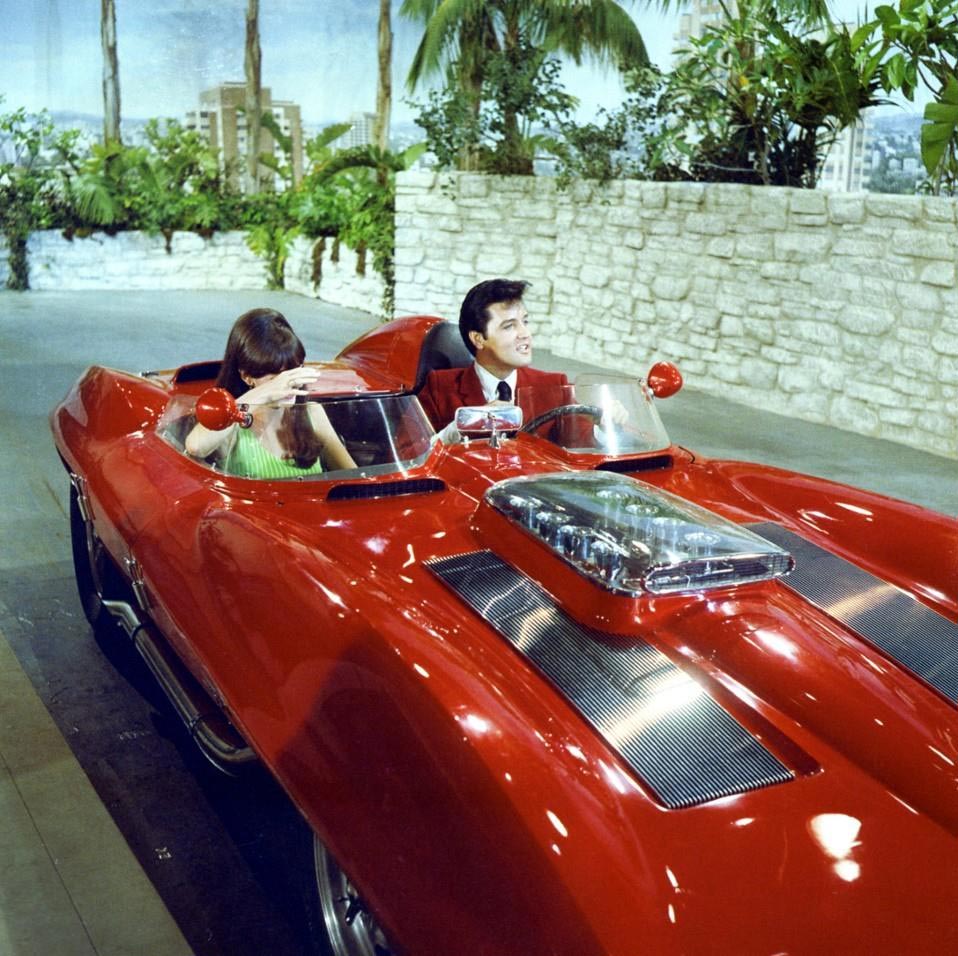
Elvis's discontent with "Clambake" and his other formulaic films ultimately led to a desire for change.
He began to push back against the constraints imposed by Colonel Parker and Hollywood, seeking opportunities to revive his career and reconnect with his passion for music.
This shift in attitude culminated in the famous "1968 Comeback Special," a televised concert that marked Elvis's return to live performance and reignited his musical career.
The "Comeback Special" was a turning point for Elvis, allowing him to break free from the cycle of mediocre films and rediscover his artistic identity.
It showcased his talent and charisma, reminding the world of why he had become a cultural icon in the first place.
This renewed focus on music revitalized Elvis's career and set the stage for his successful return to live performances and recording.
The Aftermath of "Clambake"
The release of "Clambake" did little to improve Elvis's discontent with his film career.
While the movie performed reasonably well at the box office, it was met with lukewarm reviews from critics.
Fans, too, were starting to grow weary of the formulaic nature of Elvis's films.
The reception of "Clambake" reinforced Elvis's belief that he needed to make a significant change in his career.
Following the "Comeback Special," Elvis made a conscious effort to focus more on his music and less on films.
He recorded some of his most critically acclaimed albums in the late 1960s and early 1970s, including "From Elvis in Memphis" (1969) and "Elvis Country" (1971).
These albums allowed Elvis to explore new musical styles and demonstrate his versatility as an artist.
Elvis's Legacy
Despite his struggles with Hollywood, Elvis Presley's impact on music and popular culture remains unparalleled.
While films like "Clambake" may not have been highlights of his career, they are part of the broader story of Elvis's journey as an artist.
His dissatisfaction with his film career and his eventual return to music highlight the resilience and determination that defined Elvis's legacy.
Elvis's experience with "Clambake" serves as a reminder of the challenges artists face when navigating commercial pressures and creative fulfillment.
It underscores the importance of staying true to one's artistic vision and the need for change when faced with stagnation.
Elvis's ability to recognize these issues and make a successful comeback is a testament to his enduring talent and influence.
Elvis Presley's dislike for "Clambake" was rooted in his frustration with the formulaic nature of his films, his disillusionment with Hollywood, and the impact of his movie career on his music.
"Clambake" epitomized the issues that plagued his film career, from weak scripts and low production values to the relentless focus on profit over quality.
Despite these challenges, Elvis's desire for change ultimately led to a resurgence in his career, allowing him to reclaim his status as the King of Rock and Roll.


