
In the world of classic cars, few models evoke the charm and nostalgia of mid-20th-century American automotive design like the 1959 Studebaker Lark.
As a standout example of innovation and style from a pivotal era in car manufacturing, the 1959 Lark remains a beloved icon among classic car enthusiasts.
This article delves into the history, design, and legacy of the 1959 Studebaker Lark, exploring why it continues to capture the hearts of collectors and admirers.
The Birth of the Studebaker Lark
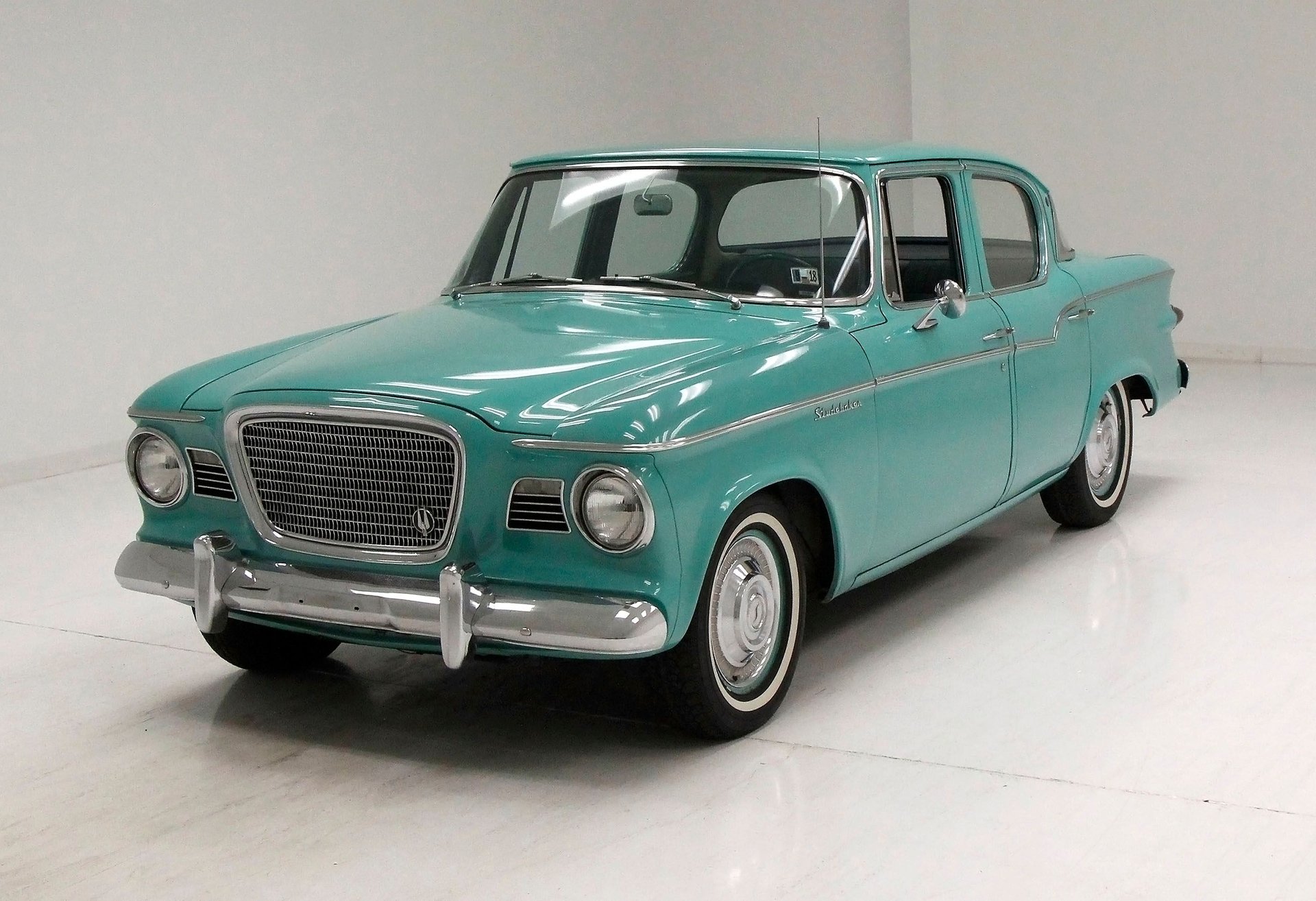
The Studebaker Lark made its debut in 1959 as part of Studebaker's strategy to offer a more compact and affordable vehicle in the post-war automotive market.
The decision to introduce the Lark was driven by the need to compete with the growing popularity of smaller cars, which were becoming increasingly desirable for their efficiency and practicality.
The 1959 model year marked a turning point for the Lark, as it was the first year of the second generation.
The Lark had already made waves with its initial launch in 1958, but the 1959 iteration brought with it several updates and refinements that would solidify its place in automotive history.
Design and Styling

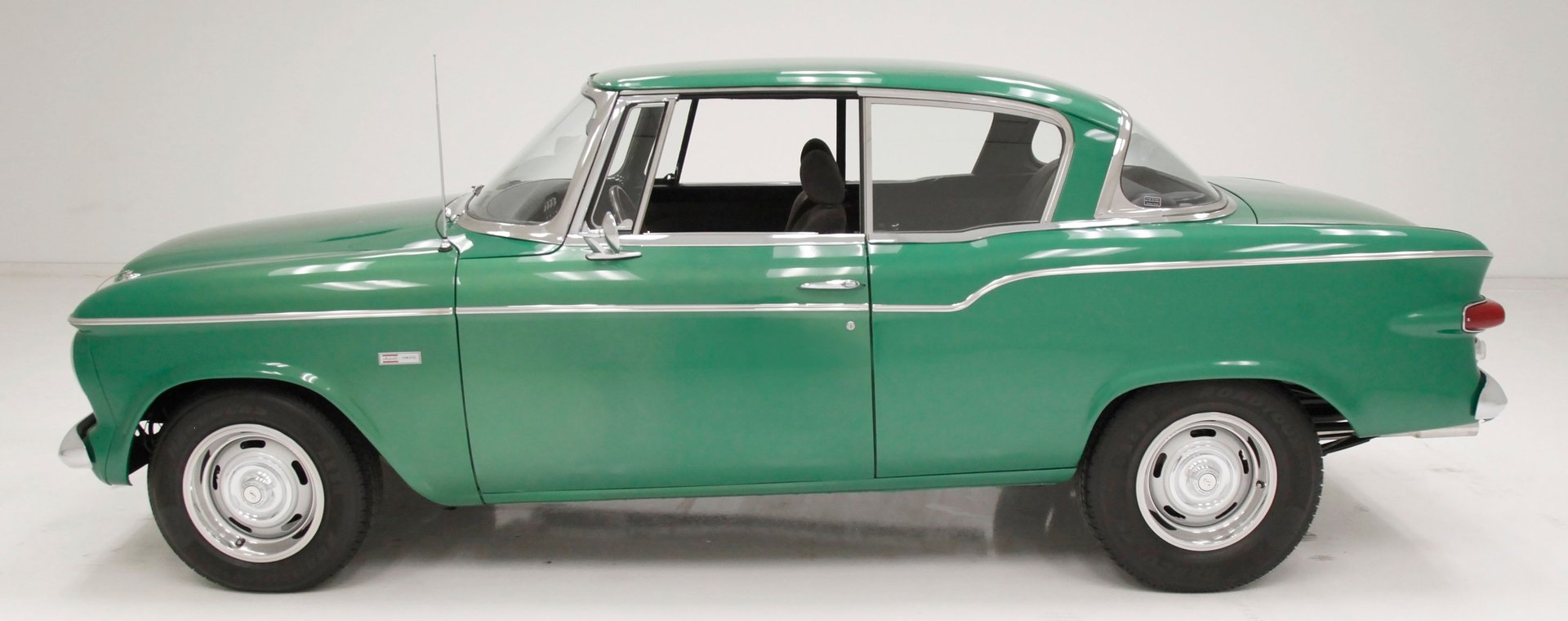
One of the most striking features of the 1959 Studebaker Lark is its unique and memorable design.
The car's styling was influenced by the trends of the late 1950s, characterized by bold lines, chrome accents, and an overall sense of futuristic flair.
Exterior Design: The 1959 Lark sported a distinctive grille with prominent chrome trim and large, round headlights that gave it a commanding presence on the road.
The rear fins, a hallmark of late-1950s automotive design, added a touch of elegance and sportiness. The wide, curved rear windows and expansive chrome bumpers further enhanced the car's stylish appearance.

Interior Features: Inside, the 1959 Lark offered a spacious and comfortable cabin, with seating designed for up to six passengers.
The interior featured a streamlined dashboard with easy-to-read gauges and a range of optional accessories, including an AM radio and air conditioning.
The quality of materials and attention to detail made the Lark's interior both functional and aesthetically pleasing.
Performance and Engineering

The 1959 Studebaker Lark was available with several engine options, catering to a range of performance preferences.
The base model came equipped with a 259-cubic-inch V8 engine, delivering a respectable amount of horsepower and torque for its time.
For those seeking more power, an optional 289-cubic-inch V8 engine was available, providing enhanced performance and acceleration.
Transmission Options: The Lark offered both manual and automatic transmission options, allowing drivers to choose their preferred driving experience.
The manual transmission featured a three-speed setup, while the automatic transmission provided a more effortless driving experience with its two-speed setup.
Handling and Ride Quality: The Lark's suspension system was designed to deliver a smooth and comfortable ride, making it well-suited for both urban driving and long-distance travel.
The car's handling was responsive and predictable, thanks to its well-tuned suspension and balanced weight distribution.
Market Position and Competition

In 1959, the Studebaker Lark entered a competitive market, facing off against other compact and mid-sized cars from major manufacturers.
Its primary competitors included models like the Chevrolet Bel Air and the Ford Fairlane.
Despite being a relative newcomer, the Lark carved out a niche for itself with its distinctive design, quality engineering, and affordability.
The Lark's success was partially driven by Studebaker's reputation for producing reliable and well-built vehicles.
The company's commitment to quality and innovation helped the Lark stand out in a crowded marketplace, attracting a loyal following among car buyers.
Legacy and Collectibility
The 1959 Studebaker Lark holds a special place in the hearts of classic car enthusiasts and collectors.
Its combination of stylish design, solid performance, and historical significance has made it a sought-after model in the classic car community.
Restoration and Preservation: Many 1959 Larks have been meticulously restored by dedicated enthusiasts, preserving their original charm and ensuring that future generations can appreciate their beauty.
Restoration projects often involve sourcing rare parts and carefully refurbishing components to maintain the car's authenticity.
Car Shows and Events: The Lark frequently makes appearances at classic car shows and events, where it is admired for its unique styling and historical significance.
Its presence at these gatherings highlights its enduring appeal and the passion of its owners.
Market Value: The value of a 1959 Studebaker Lark can vary depending on its condition, originality, and provenance.
Well-maintained and fully restored examples often command higher prices, reflecting the car's desirability among collectors.
For those interested in acquiring a Lark, the classic car market offers a range of options, from project cars to fully restored specimens.
Fun Facts and Anecdotes
To add a touch of trivia and personal connection to the 1959 Studebaker Lark, here are some interesting facts and anecdotes about this classic car:
Unique Features: The 1959 Lark was known for its "Skyline" dashboard design, which featured a sweeping, curved instrument panel. This distinctive design element was a nod to the futuristic aesthetics of the late 1950s.
Celebrity Ownership: The Studebaker Lark has had its share of famous owners over the years. For instance, renowned comedian and actor Jerry Lewis was known to own a 1959 Lark, adding a touch of Hollywood glamour to the car's history.
Limited Production: The 1959 model year was a transitional period for the Studebaker Lark, with production numbers lower than in other years. This limited production adds to the car's allure and makes it a rare find for collectors.
The 1959 Studebaker Lark remains a shining example of mid-century American automotive design and innovation.
With its distinctive styling, solid performance, and historical significance, the Lark continues to captivate classic car enthusiasts and collectors.
Whether admired for its design, its place in automotive history, or its role in the classic car community, the 1959 Lark stands as a testament to Studebaker's legacy and the enduring appeal of classic cars.
For those with a passion for classic cars, the 1959 Studebaker Lark offers a glimpse into a bygone era of automotive excellence.
Its unique character and timeless charm make it a worthy addition to any classic car collection, ensuring that its legacy will continue to be celebrated for years to come.


