
The Kennedy family embodies the American spirit, becoming icons of hope, resilience, and public service.
Throughout their lives, they have faced unparalleled triumphs and heart-wrenching tragedies.
One of the most poignant moments in their saga was the funeral of Robert F. Kennedy—an event that brought the entire nation to a standstill in mourning.
On June 6, 1968, just a few years after the assassination of President John F. Kennedy, Robert F. Kennedy was tragically killed, sending shockwaves across the globe.
The funeral of Robert F. Kennedy was not just a moment of profound sorrow for his family but also a defining event in American history.
The Assassination and Immediate Aftermath
Robert F. Kennedy, affectionately known as Bobby, was Senator from New York and a leading Democratic candidate for the presidency in 1968.
On June 5, 1968, after delivering a victory speech at the Ambassador Hotel in Los Angeles, he was shot by assassin Sirhan Sirhan.
The news of his shooting stunned the nation, and the subsequent announcement of his death on June 6 sent a wave of grief across the country.

As a brother to the slain President John F. Kennedy, Robert's death was a second devastating blow to the Kennedy family within a span of five years.
The American public, who had already shared in the sorrow of losing one Kennedy, now found themselves grappling with another loss.
Amidst the chaos and sorrow, the Kennedy family began preparing for a funeral that would honor Bobby's legacy and provide a moment for national reflection.
Preparations for the Funeral
The preparations for Robert F. Kennedy's funeral were undertaken with a deep sense of respect and urgency.
The body was flown back to New York from Los Angeles, where a public viewing was held at St. Patrick's Cathedral. Thousands of mourners lined up to pay their respects, underscoring the deep connection Bobby had with people from all walks of life.
The Kennedy family, known for their grace under pressure, faced yet another moment of public mourning with dignity.
Ethel Kennedy, Bobby's wife, and their 11 children were figures of strength and resilience. Amidst their personal grief, they welcomed the countless mourners who came to honor Robert’s memory.
The Funeral Service: An Outpouring of Respect and Grief
The funeral service for Robert F. Kennedy took place on June 8, 1968, at St. Patrick’s Cathedral in New York City.
The cathedral, a historic and magnificent structure, became a place where the nation’s grief was concentrated. The service was attended by an array of dignitaries, politicians, and celebrities, reflecting Bobby's far-reaching impact.
Cardinal Terence Cooke officiated the service, and as he spoke, he captured the sense of collective loss, emphasizing Robert F. Kennedy’s commitment to justice, peace, and equality.
His words resonated deeply, providing some solace to those grappling with the senselessness of Bobby's death.
One of the most memorable moments of the service was the eulogy delivered by Senator Edward "Ted" Kennedy, the youngest Kennedy brother.
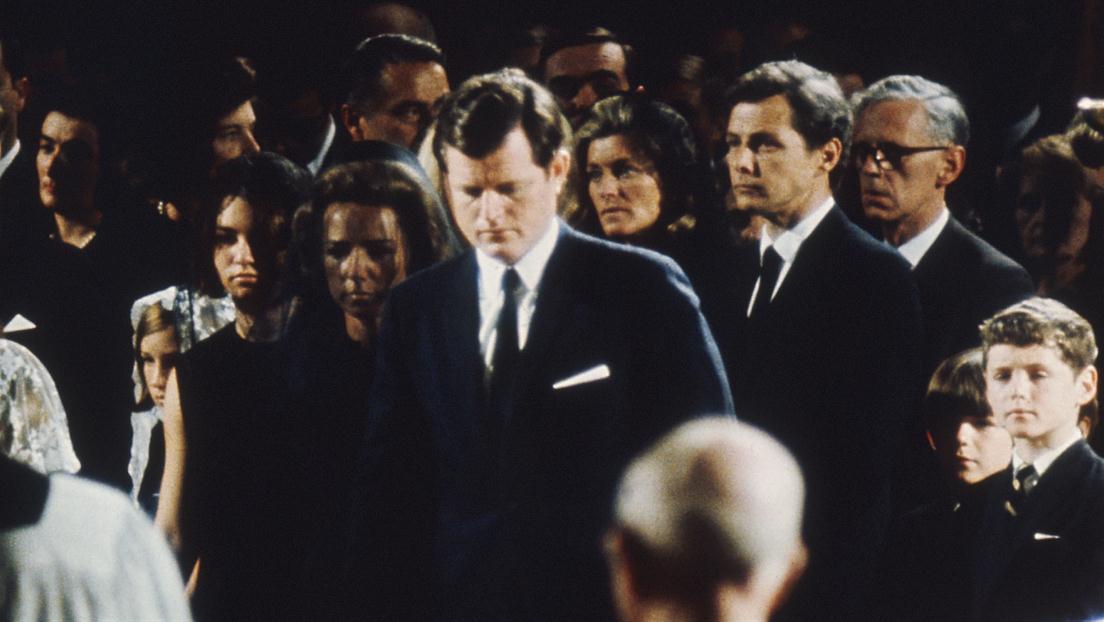
Ted's eulogy was a touching tribute that highlighted Bobby's dedication to public service, his compassion, and his unyielding commitment to fighting for the underprivileged.
His emotional words painted a vivid picture of Bobby's life and values, leaving an indelible mark on all who heard them.
"I remember him as a youth in full bloom," Ted said, his voice marked with emotion. "Seemingly untouched by the doubts and hesitations of youth, he had an incorruptible innocence and idealism.
He believed that the fight could be won; that justice would ultimately prevail."
Ted’s eulogy was not just a tribute but a call to action, urging people to carry forward Bobby's legacy of justice and equality. It encapsulated the essence of who Robert F. Kennedy was and what he stood for, making it one of the most powerful eulogies in American history.
John F. Kennedy Jr.'s Presence
Amidst the sea of mourners, the presence of John F. Kennedy Jr., fondly known as "John-John," stood out poignantly.
At just eight years old, John Jr. had already experienced the tragedy of his father's assassination. Now, facing the death of his uncle, he became a symbol of the enduring Kennedy spirit.

The young John Jr., seen leaning on his mother Jacqueline Kennedy for support, captured the nation’s heartbreak.
Just as he had poignantly saluted his father's coffin five years earlier, his presence at his uncle's funeral was a somber reminder of the family's continual encounters with loss.
Despite his tender age, John Jr.’s presence was powerful. Here was a young boy who had already borne witness to the profound grief of losing close family members to political violence.
His quiet strength and dignified demeanor amidst the overwhelming solemnity left a lasting impression on those who witnessed it.
The Procession and Arlington Burial
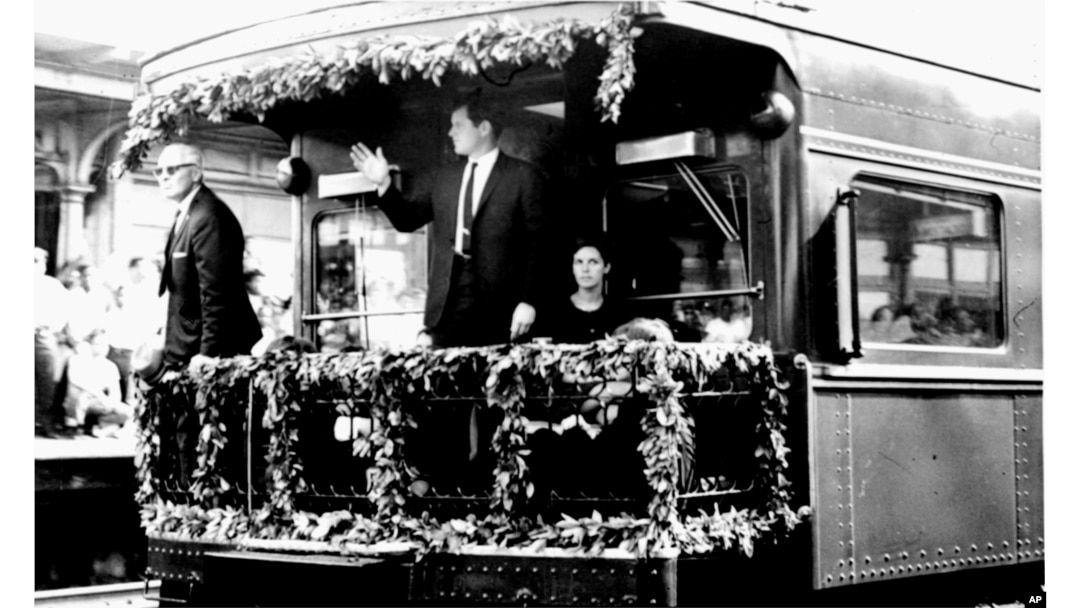
After the service at St. Patrick's Cathedral, Robert F. Kennedy's body was taken by train from New York to Washington D.C.
The funeral train, reminiscent of Abraham Lincoln's, allowed thousands of Americans to pay their final respects as it made its way to Arlington National Cemetery.
People of all ages and backgrounds lined the tracks, waving flags, and holding signs honoring Robert F. Kennedy’s memory.
The journey to Arlington was marked by moments of national unity. It provided a rare opportunity for Americans to collectively express their sorrow and admiration. The train route, stretching for miles, became a visual testament to Bobby's impact on the nation.
Upon arrival in Washington D.C., a final burial service took place at Arlington National Cemetery, where Bobby was laid to rest near his brother, President John F. Kennedy.
The gravesite became a place of pilgrimage, symbolizing the brothers’ eternal rest side by side. The service, conducted in the gentle evening light, was a moment of grace and somber beauty. A lone bugler played "Taps," echoing the nation's sense of loss and reverence.
Reflections on Legacy
The funeral of Robert F. Kennedy was more than a family’s farewell to a beloved member; it was an event where the nation mourned a man who had dedicated his life to public service and social justice.
His commitment to civil rights, fighting poverty, and opposing the Vietnam War resonated deeply with many Americans, particularly during a turbulent period in the nation’s history.
The presence and demeanor of the Kennedy family during the funeral—stoic, dignified, and resilient—embodied the spirit of service and sacrifice that Robert F. Kennedy championed.
Their grace under such profound grief provided a source of strength for countless Americans facing their own struggles.
Personal Reflections
The memory of John F. Kennedy Jr. at his uncle’s funeral is particularly poignant. His journey from a young boy who bravely faced the loss of his father to a figure of hope standing by his uncle’s coffin is inspiring.
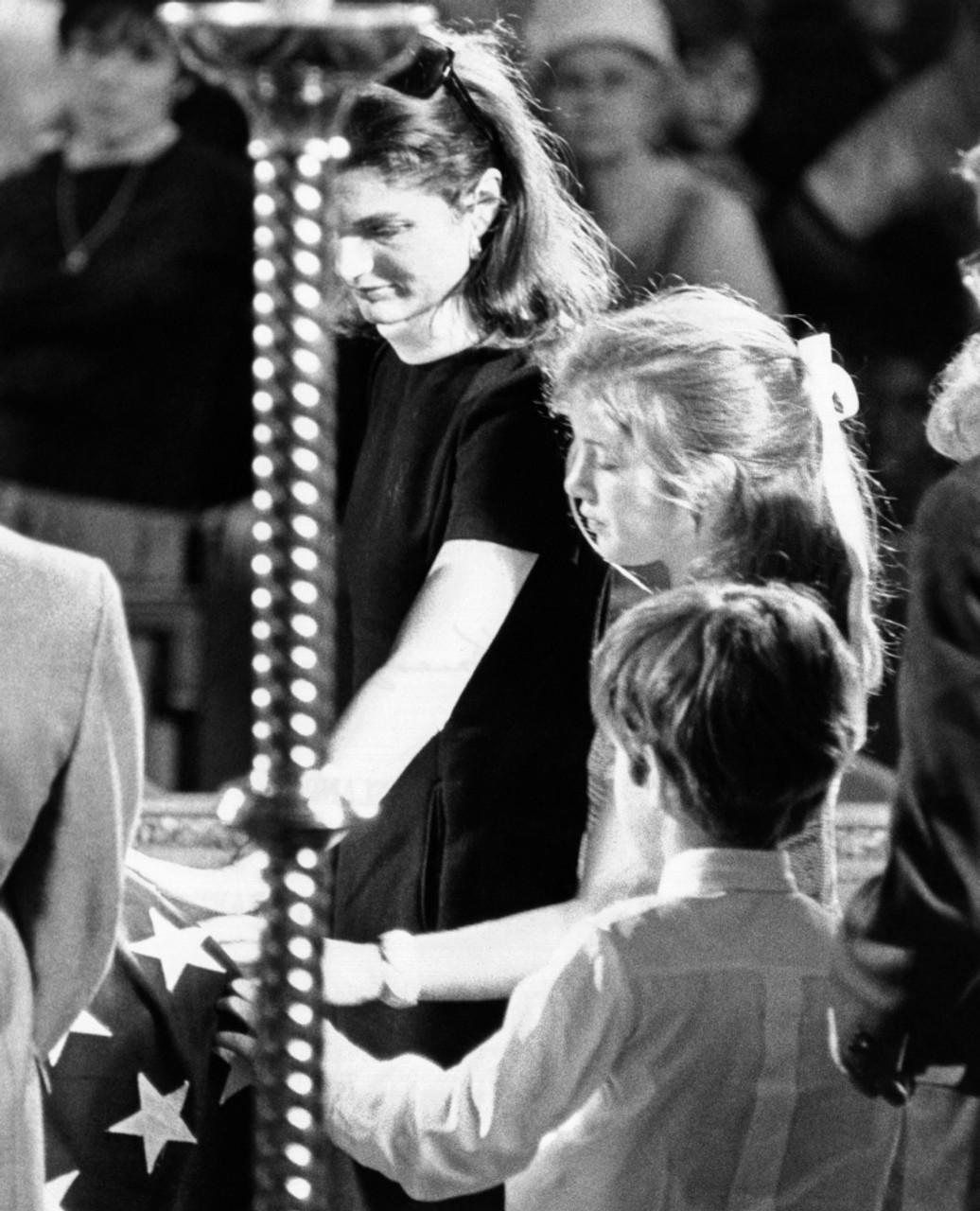
It reminds us of the power of resilience and the importance of continuing the fight for a just and equitable society.
The funeral of Robert F. Kennedy was a moment of national sorrow and reflection. It highlighted the enduring spirit of a family that, despite facing unimaginable tragedy, remained committed to the principles of public service and justice.
From the heartfelt eulogies to the poignant procession and final burial, the legacy of Robert F. Kennedy endures.
The memories of that day, coupled with the ongoing legacy of Bobby's work, continue to inspire and guide us towards a more compassionate and equitable world.


